Our Seven Key Pillars
Sustainability at Paradise City isn’t one big solution. It’s a combination of systems, choices and people working together. From energy and food to mobility, water and waste, every part of the festival has an impact. Breaking it down into clear pillars helps us understand where that impact sits, and where we can improve. These seven areas guide how we design and run the festival. Not as separate projects, but as parts of the same whole. What happens in one place often affects another. Some things are already well in place. Others are still evolving. This page gives a closer look at how each pillar works, what we’ve learned so far, and where we’re heading next.
1. Travel & Transport
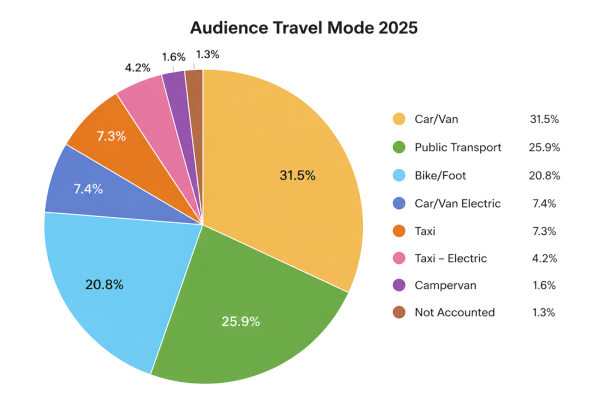
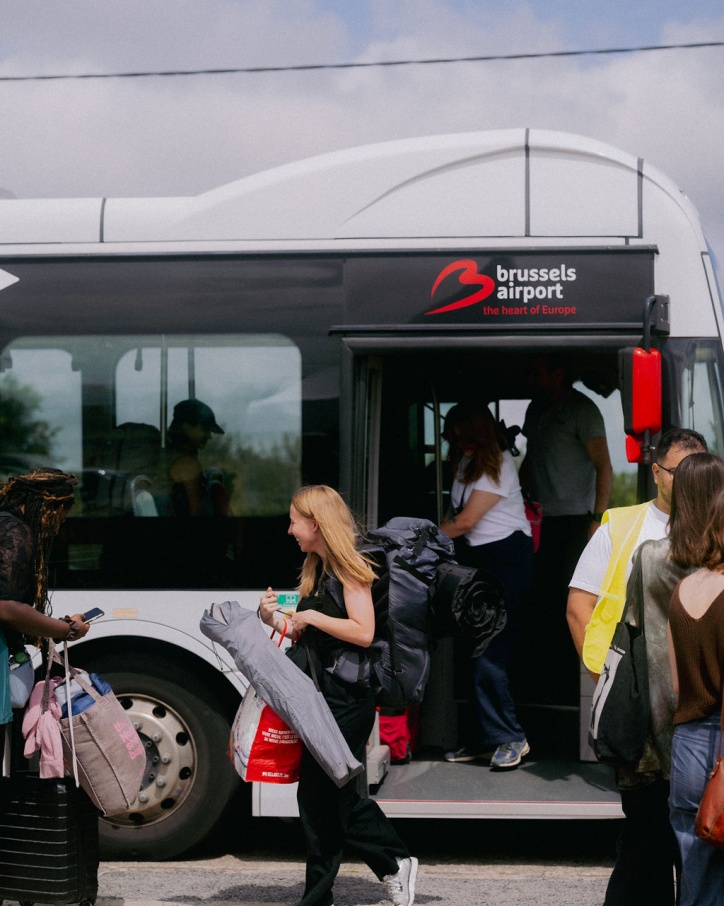
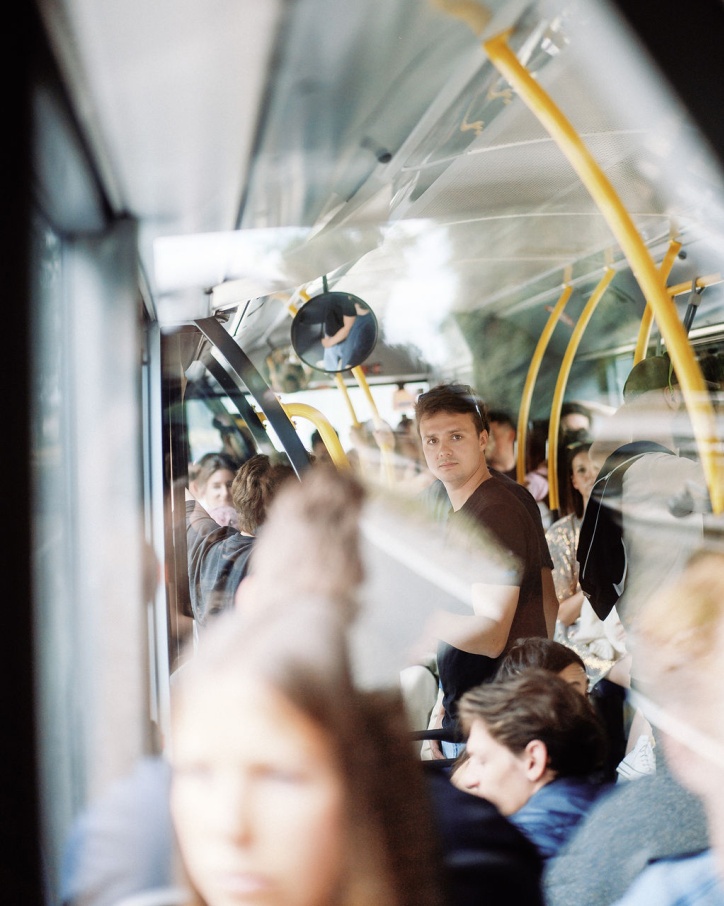
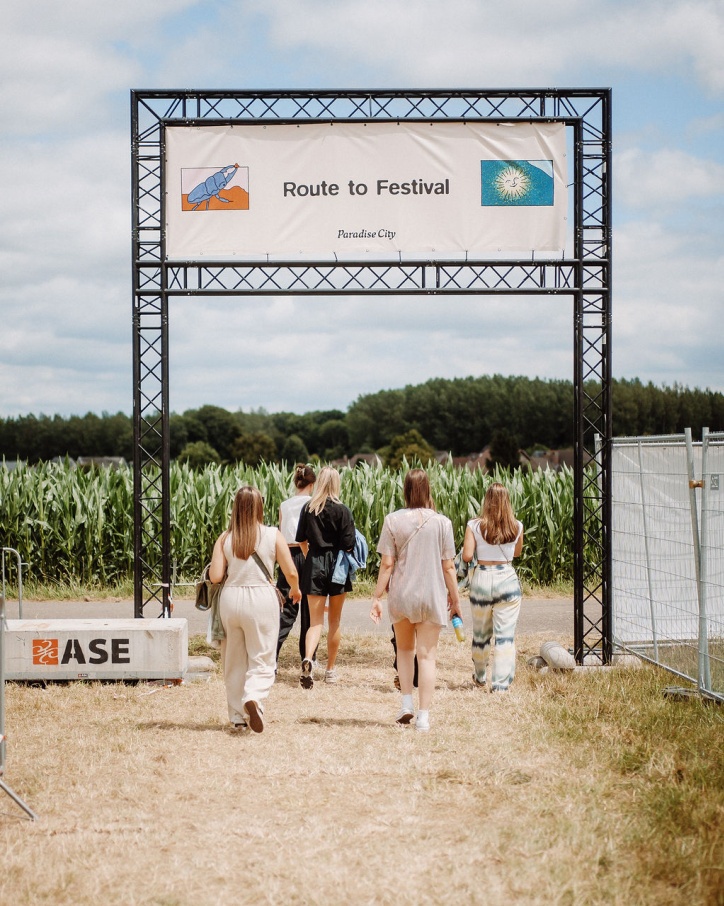
Getting to and from the festival is one of the biggest parts of our footprint. It’s not a detail, it’s the main event. So if we want to reduce our impact, this is where it really counts. Since 2022, we’ve been building a green mobility plan that makes it easier to leave the car at home. Trains play a big role in that. We introduced night trains to cities like Brussels, Antwerp, Ghent, Leuven and Hasselt, and we keep expanding that network. In 2025, we’re adding Sunday night trains as well. The shift is happening, slowly but steadily. In 2025, 25.9% of visitors came by public transport, and 20.8% arrived by bike or on foot.
Our goal is to reach 30% of visitors travelling by train. That means not just offering the option, but making it the easiest one. We’ve improved the electric shuttle connection between the festival and Vilvoorde station. That said, last year showed us that transport flows can still be smoother. We’re looking into increasing shuttle capacity and improving frequency where needed.
At the same time, we deliberately make car travel less attractive. Parking isn’t cheap, and if you arrive alone, you’ll pay a bit extra. It’s a small nudge, but it matters. For those who do come by car, we encourage sharing rides through Slinger, a simple way to connect with others heading to the festival (see our transport page).
Artist travel follows the same logic. We focus on booking international artists who are already touring in Europe, to avoid unnecessary flights. At the same time, nearly half of the lineup consists of Belgian artists. Not just because it reduces travel, but because the local scene deserves that space. Transport between airports, hotels and the festival site is handled by electric vehicles. There’s no single fix here. Just a lot of small decisions that, together, shift the way people move.
2. Energy
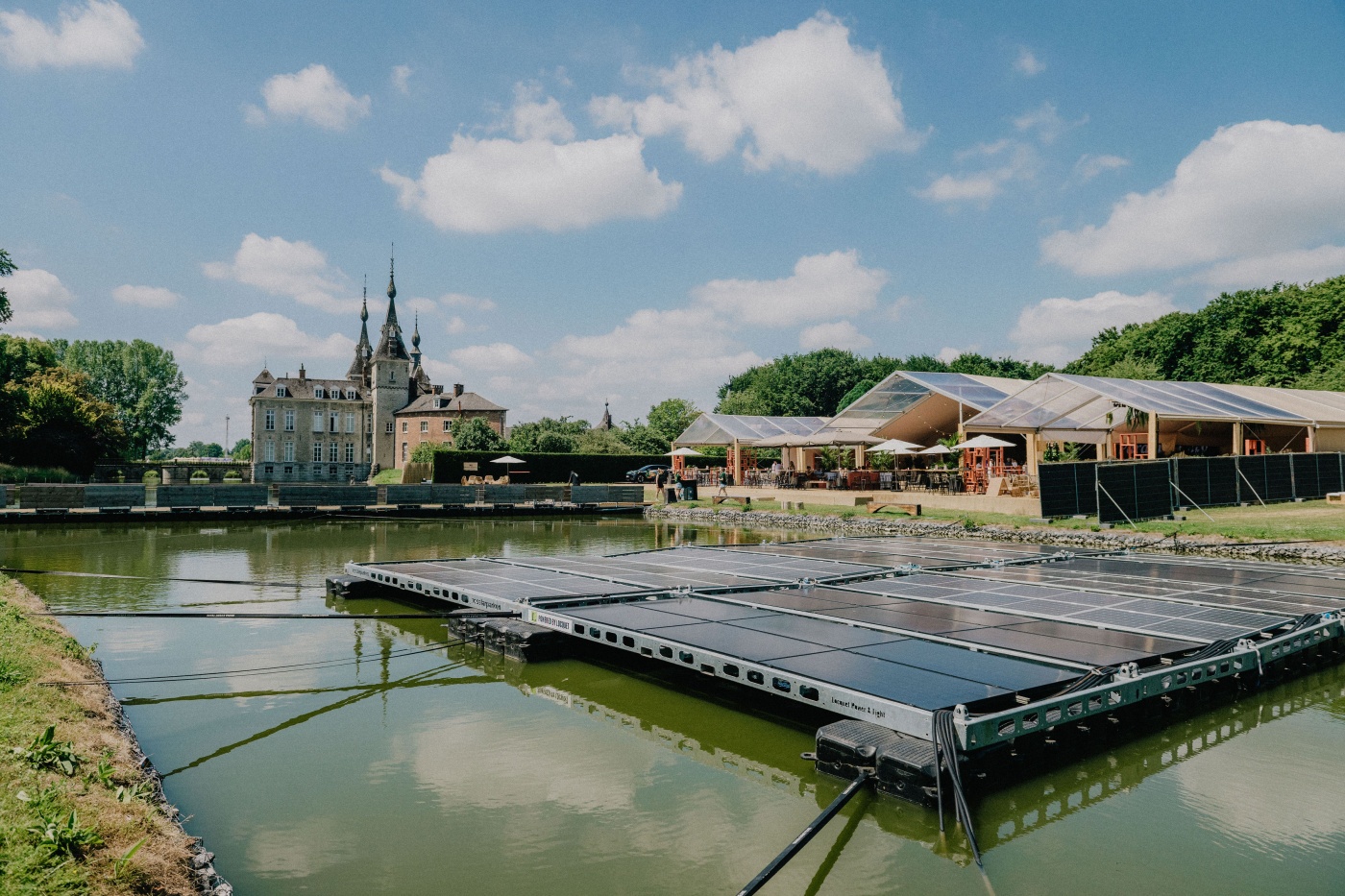
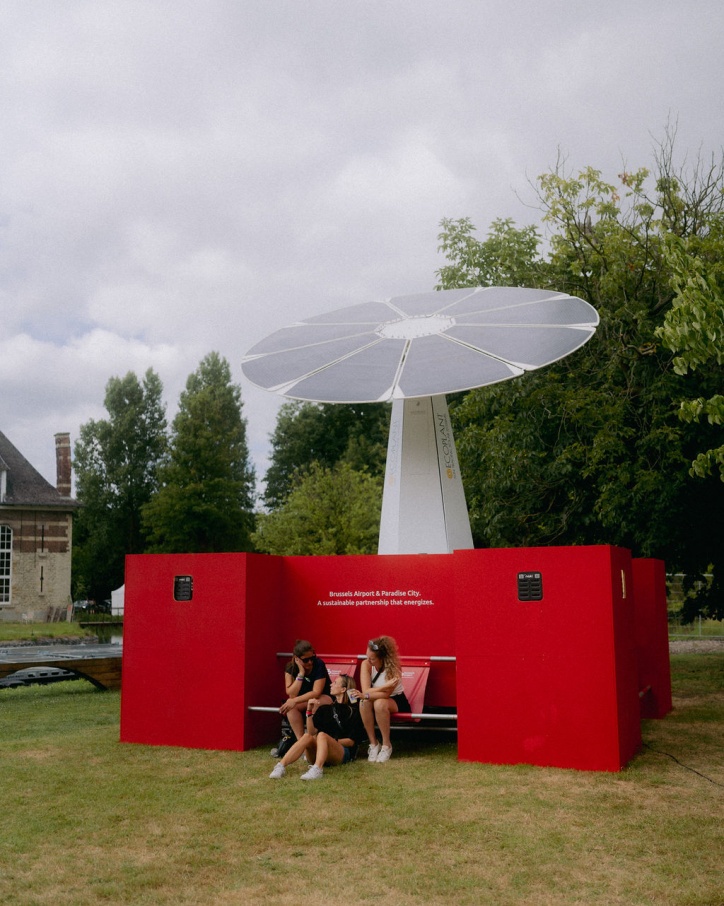
Running a festival takes a lot of power. Sound systems, lighting, kitchens, stages, and campsite. It adds up quickly. So how we generate and use that energy matters. Our goal is simple: run on 100% green energy. Either produced on-site through solar, or sourced from certified renewable energy on the grid. Over the past years, we’ve been building towards that. In 2025, we took another step by expanding our solar setup to 234 panels, our highest production so far. At the same time, we upgraded our infrastructure with additional batteries and a smarter energy network across the site.
At the centre of that system is the Eneco Green Power Plan. It connects solar production, batteries and grid power into one network that constantly balances supply and demand. Solar energy is used first, stored when possible, and only supplemented by the grid when needed. During peak moments, the system smooths out demand to avoid overloading the local network.
In 2025, 55.4% of our total energy use came from renewable sources, even as our overall consumption increased due to new stages and an expanded campsite. At the same time, we continued to reduce generator use, cutting our HVO biofuel consumption by more than 40% compared to 2023.
Another shift happens behind the scenes. The entire production zone now runs on a fixed green power connection. During build-up and breakdown, a circular power ring replaces traditional generators, using grid and solar energy instead. We also keep a close eye on how energy is used across the site. By monitoring consumption in detail, we can spot unnecessary standby use and adjust where needed. It’s not always visible, but it makes a difference.
This setup is still evolving. Looking ahead, we’re working on a system that can better handle peaks, rely even less on generators, and combine solar, battery and grid power more efficiently. Plans include a second fixed grid connection and testing new technologies like hydrogen power to run an entire area on renewable energy. No single solution solves it. But step by step, the system gets cleaner, smarter, and more reliable.
3. Food & Drinks
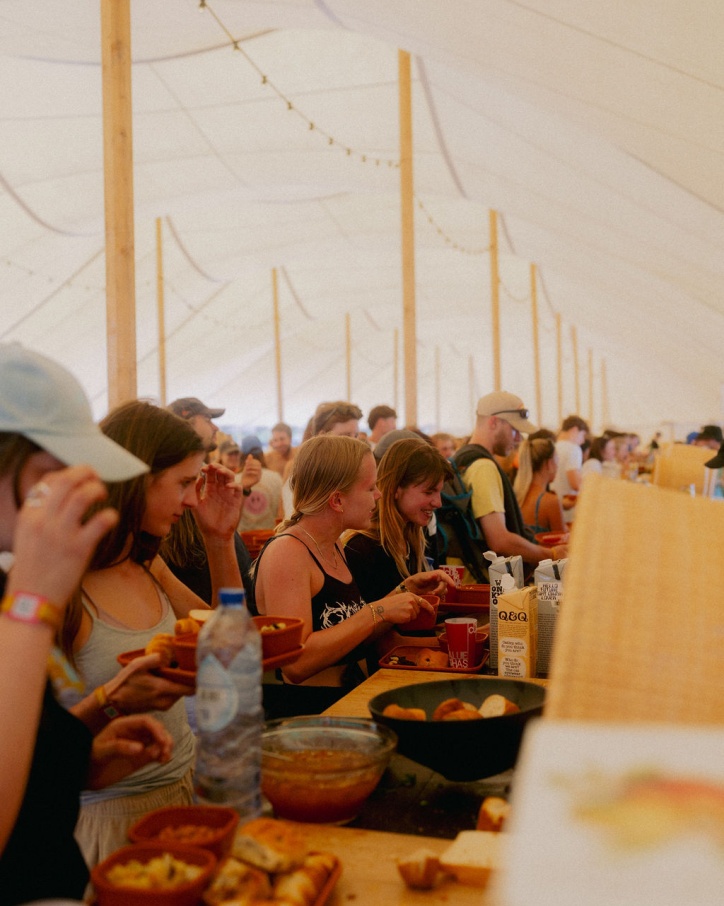
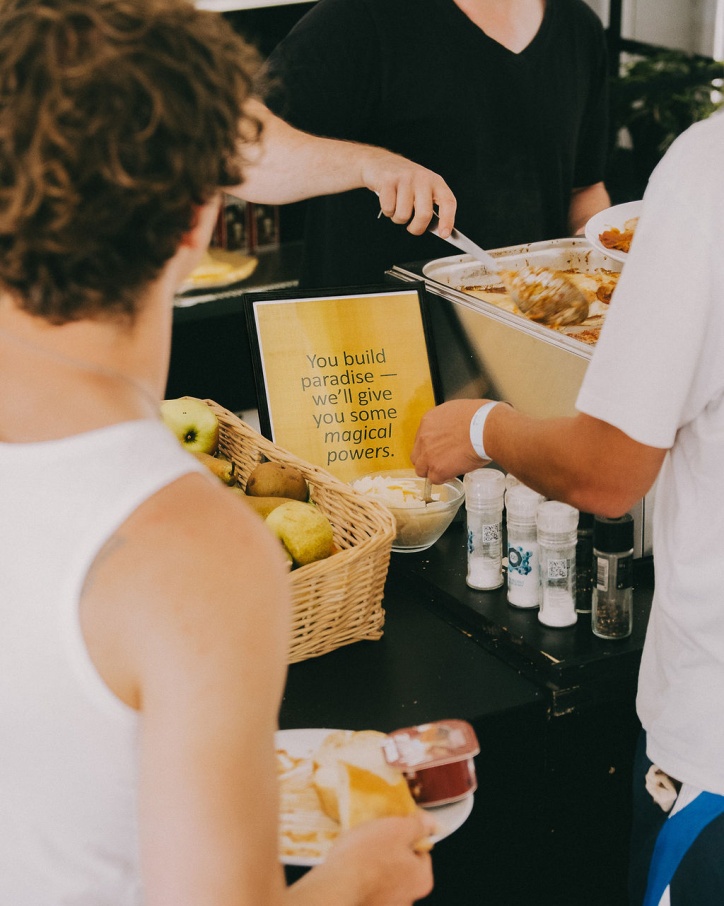
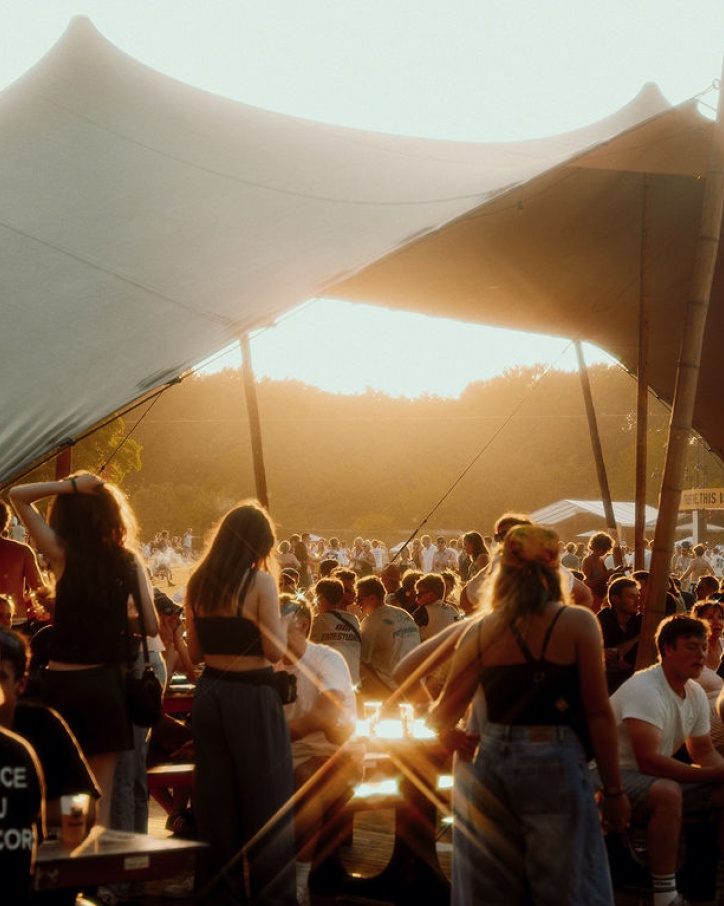
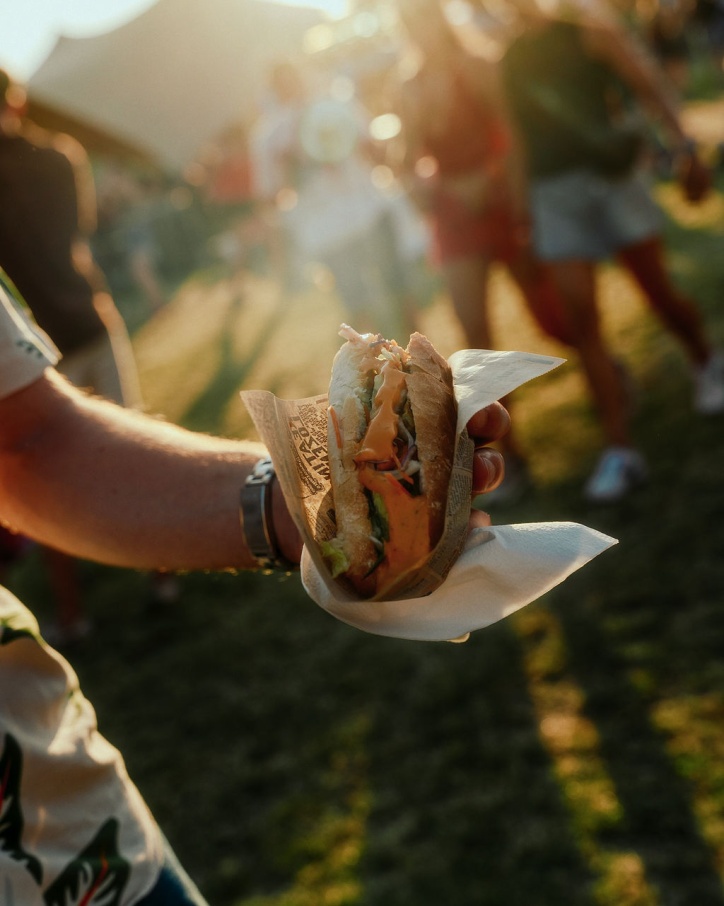
Music feeds the soul. The rest should be just as good, without weighing too heavily on everything around it. Food is one of the areas where choices really matter. Not just what’s on the plate, but where it comes from and how it’s made. That’s why we work closely with all our caterers, through a shared Food Supplier Agreement that sets clear guidelines on ingredients, sourcing and preparation. This applies across the entire festival: from the main site to the campsite, artist village and crew catering.
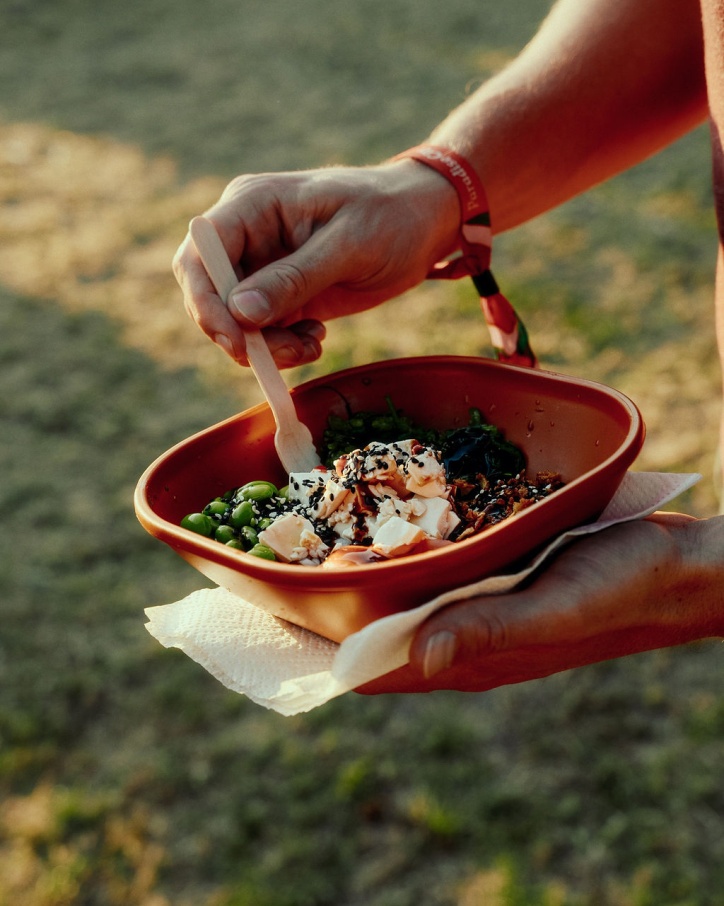
From the start, our menus have been largely vegetarian. In 2023, we removed fish entirely. Since then, we’ve kept pushing further by reducing dairy and focusing more on plant-based ingredients. In 2025, we reached a full 100% plant-based menu across the board, including for artists and crew. This impact is measurable. Over the years, we’ve brought down the average emissions per meal from 0.55 kg CO₂e to 0.39 kg CO₂e. That’s not just a number, it reflects hundreds of small decisions about ingredients, sourcing and recipes.
We also keep things close to home. Around 94.5% of our food partners are local, a level we’ve maintained for several years. Seasonal produce is the standard, not the exception. Across the different areas of the festival, this approach takes different forms. At the campsite, in the crew areas, and in the Comfort Zone, our partner &merlin served a vibrant, plant-based breakfast, keeping things simple, fresh, and in line with the rest of the menu. On the practical side, we’ve moved to reusable plates and cups. All cups are collected and cleaned off-site to reduce water use at the festival itself. It’s not the easiest system, but it helps limit pressure on local resources.
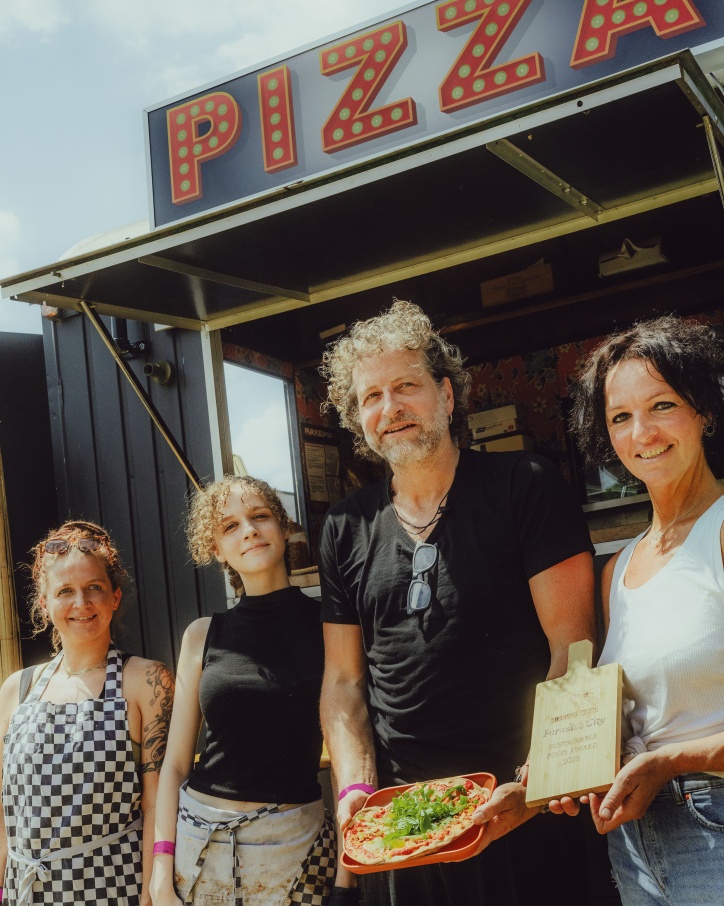
At the end of the weekend, whatever food is left doesn’t go to waste. We work with Réseau Loco to redistribute surplus to people who can use it. Visitors can also choose to donate their cup deposit to River Cleanup, who are present on-site with volunteers helping to keep the grounds clean. This approach has been recognised with the Greener Catering Award at the A Greener Festival Awards. It’s a nice confirmation, but like everything else, it’s part of an ongoing process. Good food should speak for itself. We just try to make sure it does a bit less harm along the way.

4. Solid Waste & Recycling
Waste is one of the hardest things to get right at a festival. It’s visible, it’s constant, and it involves everyone on site. Over the years, we’ve built a system that focuses first on reducing what comes in, then on reusing as much as possible, and finally on sorting what’s left. We work closely with EcoFest to keep improving that system in practice. A lot of it comes down to small, practical choices. No single-use plastics since 2018. That also means our partners are not allowed to distribute goodies, for example. We use reusable cups and plates across the site. Drinks increasingly served from large glass bottles instead of cans. Crew and volunteers receive reusable water bottles. Even cigarette waste is addressed, with pocket ashtrays and cardboard ashtrays spread across the grounds. Behind the scenes, we try to design things with a second life in mind. Signage, stage materials and wooden structures are built to be reused, either at the next edition or somewhere else entirely. We also work with rental partners and second-hand channels to avoid producing new materials when it’s not necessary.
When it comes to waste that can’t be avoided, sorting is key. On the campsite, visitors receive different bags and a deposit system encourages them to return waste correctly. There’s also an expanded recycling park in place. Across the whole festival, this approach led to a recycling rate of 53.6% in 2025, a clear increase compared to previous years.
At the same time, total waste volumes have grown with the festival itself. More visitors, more stages, more camping means more material moving through the site. Per visitor, waste levels remain relatively low compared to both similar events and the Belgian average, but the overall trend is something we take seriously. The campsite is where most of the challenge sits. In recent years, the impact there has become harder to ignore. In 2024 especially, after a weekend of bad weather and a growing crowd, a large amount of waste was left behind. Broken party tents, ponchos, abandoned gear. It was a clear signal that not everyone was on the same page yet.
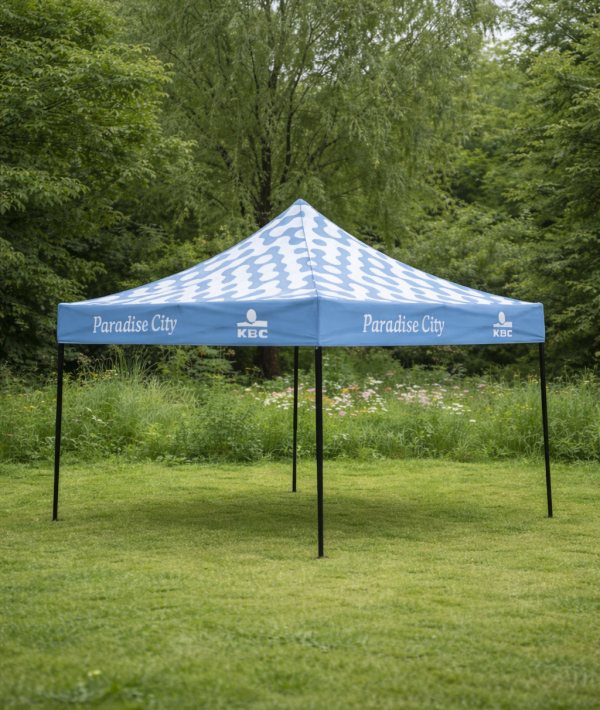
That moment forced a shift. Together with KBC, we’re introducing a new approach to camping. Single-use party tents are banned and replaced with a shared system of durable, reusable tents. Visitors can use these on-site through a deposit system. After proper return, the deposit is refunded, and the tents are cleaned and reused for future editions. It’s a first test on this scale, and we’re keeping capacity limited to learn what works and what doesn’t. The aim is simple: move towards a campsite where reuse becomes the default, not the exception.
Alongside that, we’re stepping up awareness. Clearer communication, a visible campsite charter at the entrance, and on-site initiatives help set expectations from the start. We’re also working with Mobile Refugees to collect and redistribute usable items left behind.
Food waste is handled separately. Through careful planning with caterers, we try to keep surplus to a minimum. What’s left from the food court, campsite kitchen and crew catering is donated to local organisations. None of this works without the people on-site. Waste is one of the few areas where every single visitor has a direct impact. So the system only works if it’s shared.
5. Water Use and Wastewater
Water is easy to take for granted until you see how quickly it adds up at a festival. Showers, kitchens, toilets, bars. Every part of the site uses it. So the focus is simple: use less where we can, and reuse more where possible.
We start by measuring. Water use calculators across the site give us a clear picture of where and how water is being used. That allows us to adjust along the way rather than guessing afterwards. Free drinking water taps are available throughout the festival, especially during warmer days. It’s a basic thing, but it reduces the need for bottled alternatives and keeps people hydrated without extra waste.
A big part of the system sits behind the scenes. We use vacuum toilets on the festival grounds, which significantly reduce water use compared to traditional systems. Since 2025, these have also been introduced on the campsite. In parallel, we tested a new generation of compost toilets through a pilot with WhenNatureCalls. These don’t use water or chemicals at all, and the first results were promising. The plan is to expand this system further in the coming years. Water flows across the site are managed through a flexible pipe network. Individual sections can be switched on or off as needed, helping avoid unnecessary loss in the event of leaks or incidents without shutting down the entire system.
On the wastewater side, we work with Aquafin to ensure everything is treated properly before it is returned to the environment. Part of the wastewater can now be processed locally, reducing the need for transport. The rest is handled at treatment facilities.
We’re also closing the loop where possible. Grey water from campsite showers is collected and filtered by Hello Water. In 2025, this reused volume increased significantly, and the purified water is now used to flush toilets on-site.
These steps add up. Total water use dropped from 638.5 m³ in 2024 to 543 m³ in 2025, while the amount of reused water increased. It’s not a closed system yet. But each edition gets a bit closer.


6. Nature & Environment
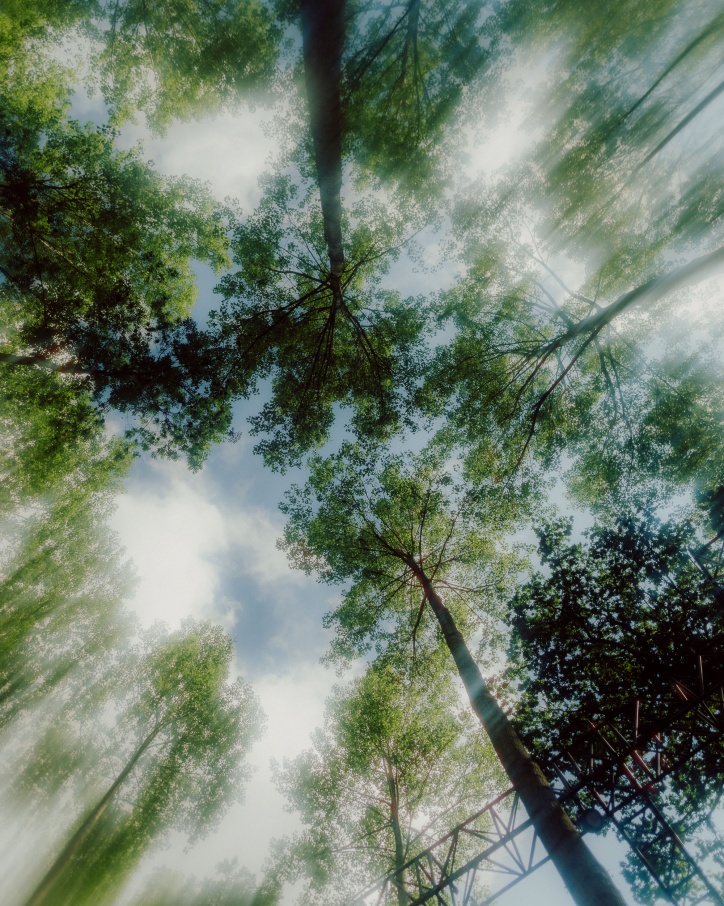
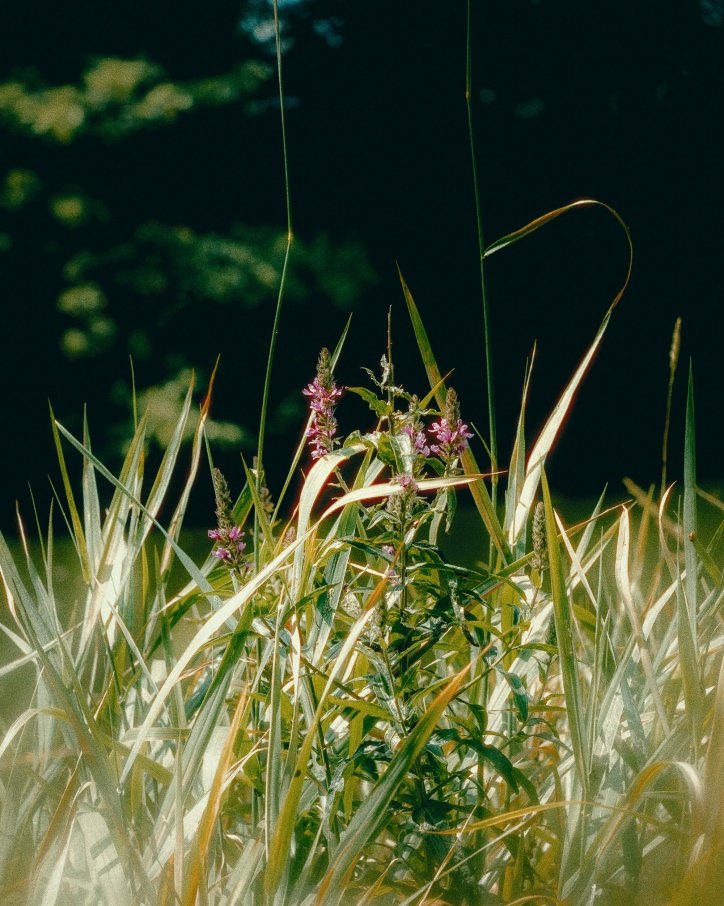
Paradise City exists because of this beautiful location we call home. So protecting it isn’t a side note; it’s where everything starts. The festival takes place in the gardens of Kasteel Ribaucourt, part of the European Natura 2000 network. It’s a site with real ecological value, home to a wide range of plant and animal species. That comes with responsibility, not just during the festival, but all year round. Over time, we’ve invested in restoring and maintaining the park, with a dedicated gardener caring for the grounds outside the festival period. It’s ongoing work. Not something that gets fixed once.
We also try to understand the impact we have. Regular biodiversity assessments help us keep track of how the ecosystem is doing. That includes specific studies of local species, such as the bats living in the domain. So far, these studies show no overall negative impact from the festival, but we continue to monitor it closely. The goal isn’t to freeze the site in time, but to make sure it stays healthy while hosting thousands of people each year.
Beyond the site itself, we’re also looking at our broader environmental impact. In 2025, we committed to a carbon reduction pathway aligned with the Science Based Targets initiative (SBTi). Concretely, this means that Paradise City commits to reducing absolute scope 1 and scope 2 GHG emissions by 42% by 2030 from a 2024 base year, and to measuring and reducing its scope 3 emissions. It’s a long-term commitment that forces us to keep measuring, updating and adjusting year after year. Because in the end, the festival only works if this place keeps working too.
7. Local Community
A festival doesn’t exist in isolation. It’s part of a village, a neighbourhood, a place where people live year-round. So staying in dialogue with that community is just as important as anything happening on-site. In Perk and Steenokkerzeel, we keep that line open before, during and after the festival. Local residents receive clear information ahead of time, including contact details if something comes up. There’s a direct line to our team, and when needed, issues are passed on quickly to production to be addressed. We also try to keep things fair. Households in the surrounding area get access to discounted tickets, making it easier for neighbours to experience the festival themselves if they want to.
Some of the impact is less visible. The fee we pay to use the site goes back into the maintenance and restoration of the estate. And through the 1820 Fund, we contribute to local projects for every visitor who attends the festival. That fund supports environmental and social initiatives in the area, like installing solar panels on local public buildings. We also work with local organisations, from sports clubs to scouting groups, who take part in the festival through volunteering. It keeps the connection tangible, not just theoretical. At the same time, we’re aware that a festival brings noise and movement. It’s part of it, but it shouldn’t come as a surprise. That’s why we’ve adjusted our soundcheck schedule, grouping them at fixed moments during the day and communicating this more clearly to neighbours.
Beyond the local level, we stay connected to a wider network. Our team regularly takes part in events like the Green Events & Innovations Conference, ADE Green and Meet in Flanders Academy. It’s a way to share what we learn, and to pick up ideas from others trying to move in the same direction. Not everything is perfect, and it probably never will be. But staying in conversation makes it easier to adjust along the way.