

Cassius: The Music Remains
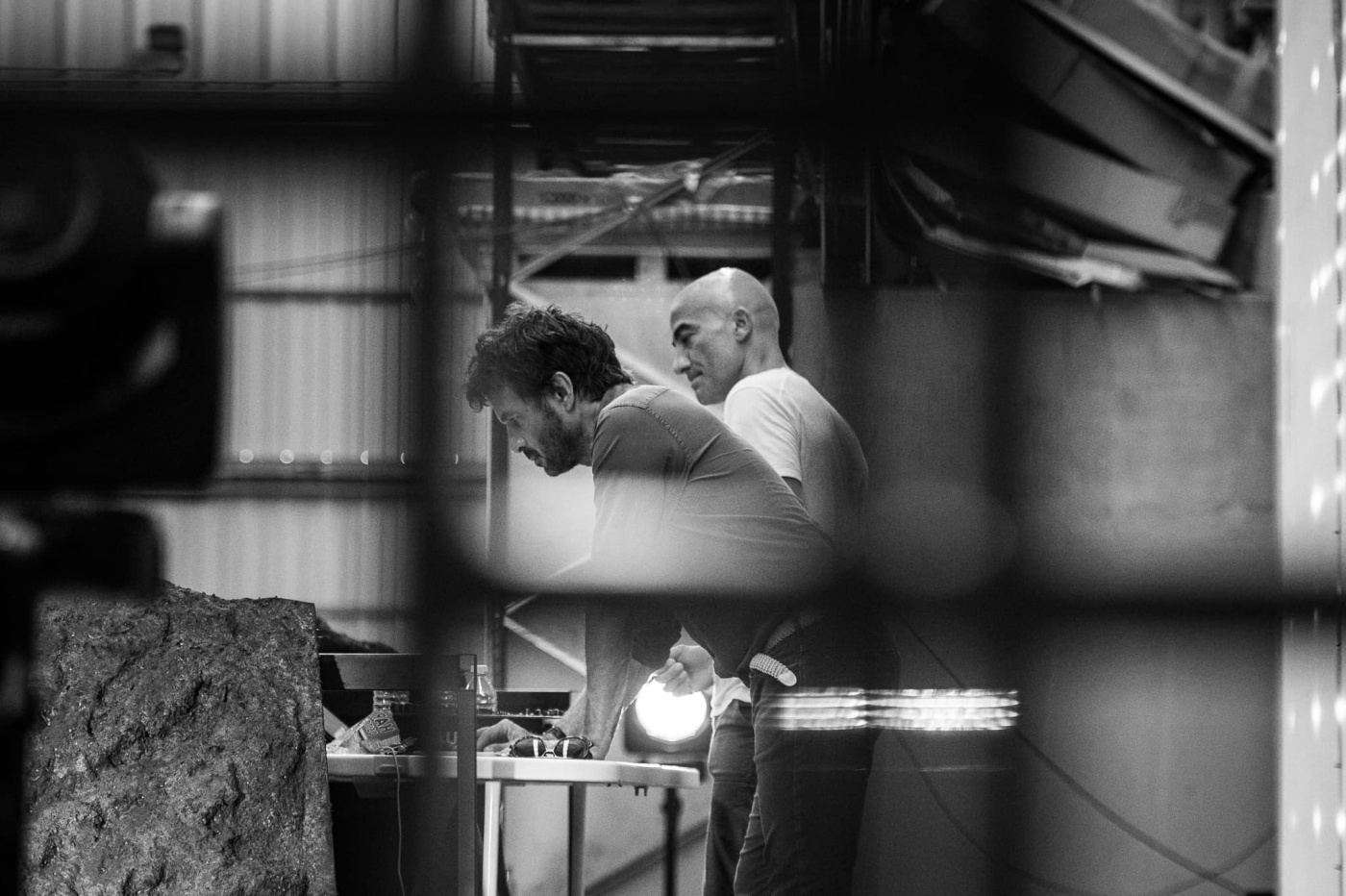
Who and what? Cassius is a French electronic music duo whose catalogue spans the full arc of the Parisian house scene, from its underground beginnings in the 1990s to the global dancefloors of the 2000s and beyond.
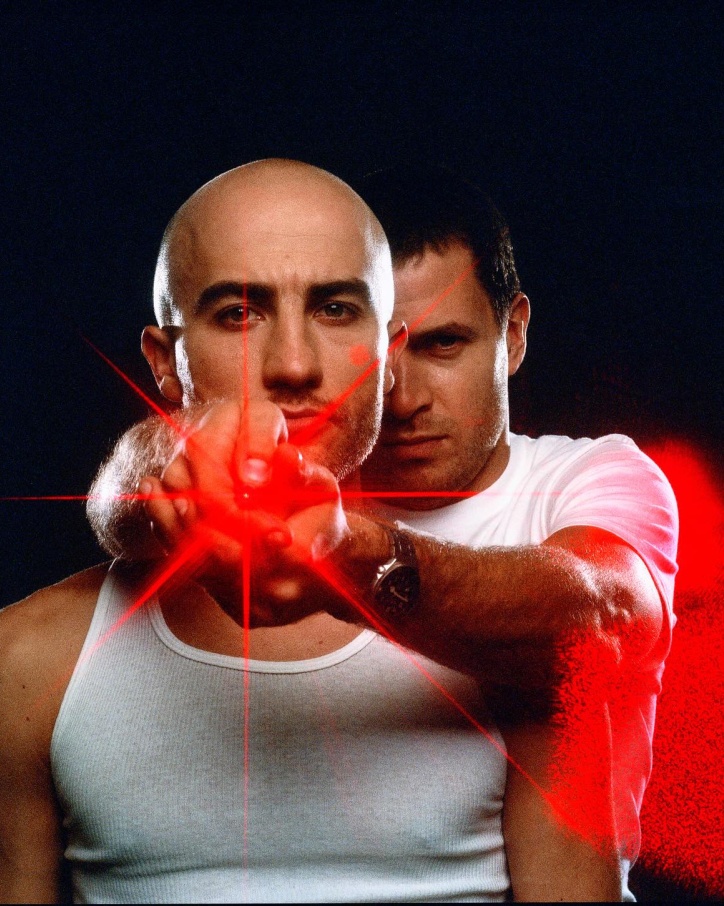
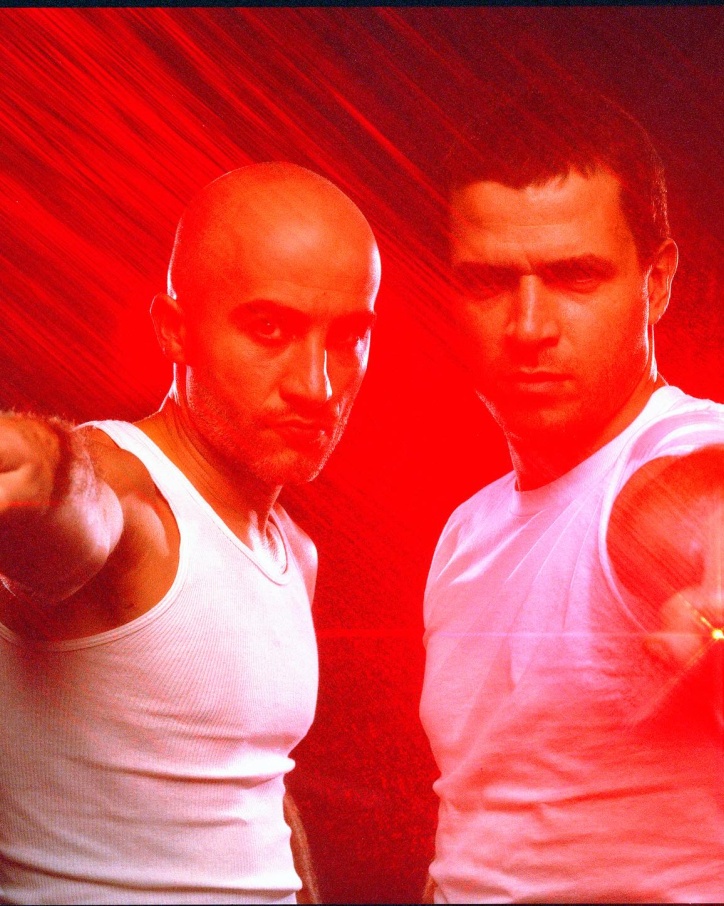
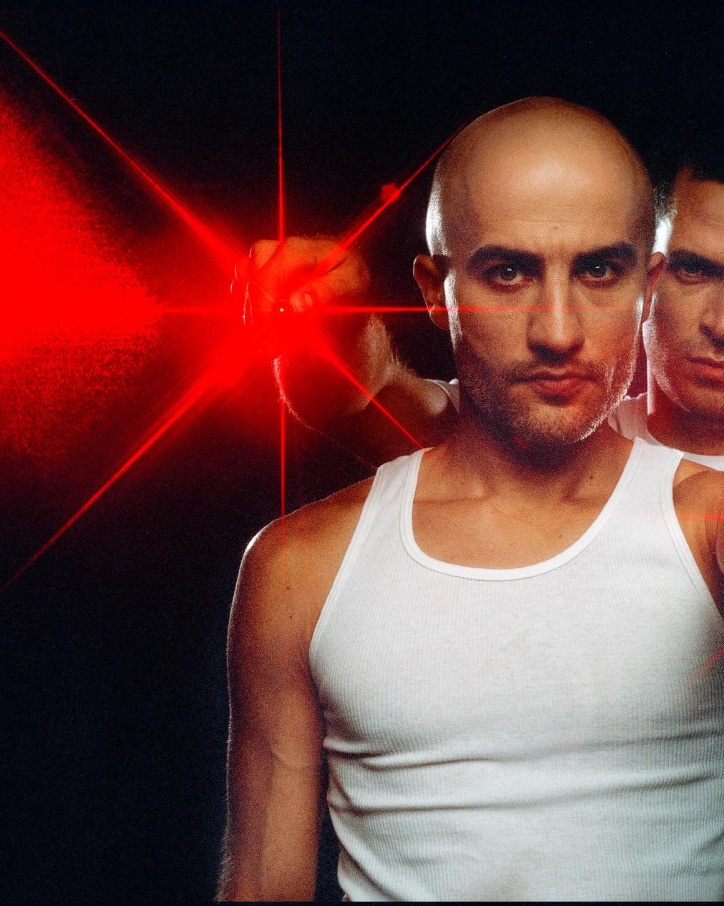
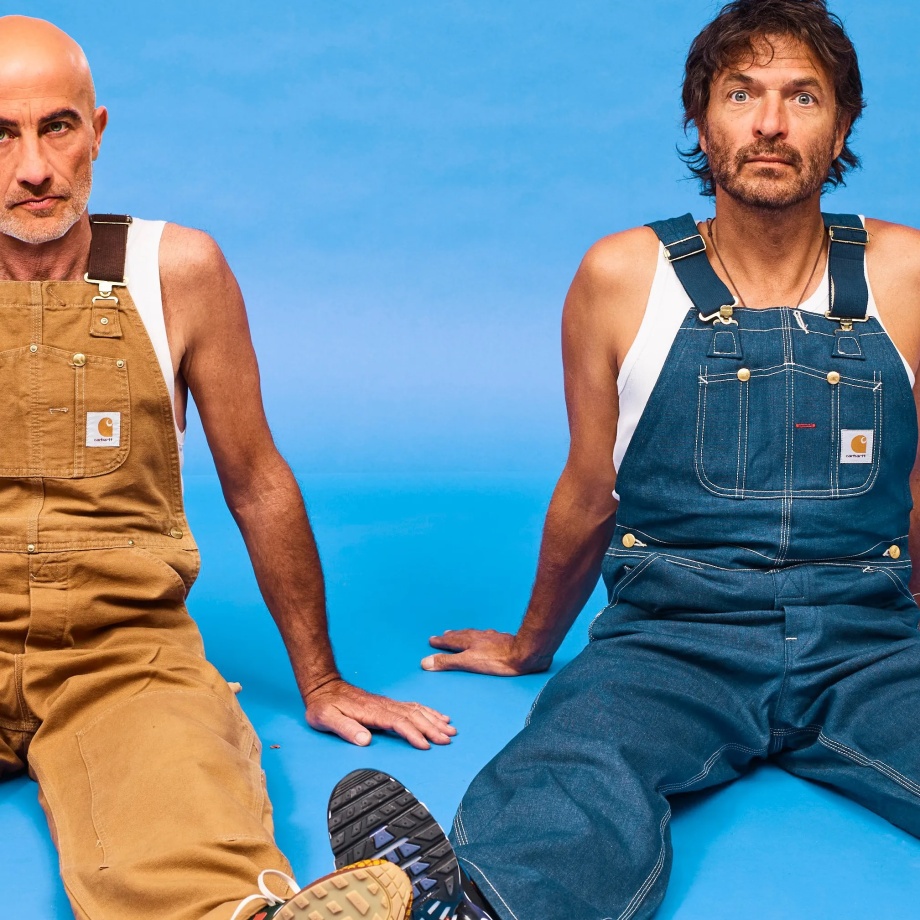
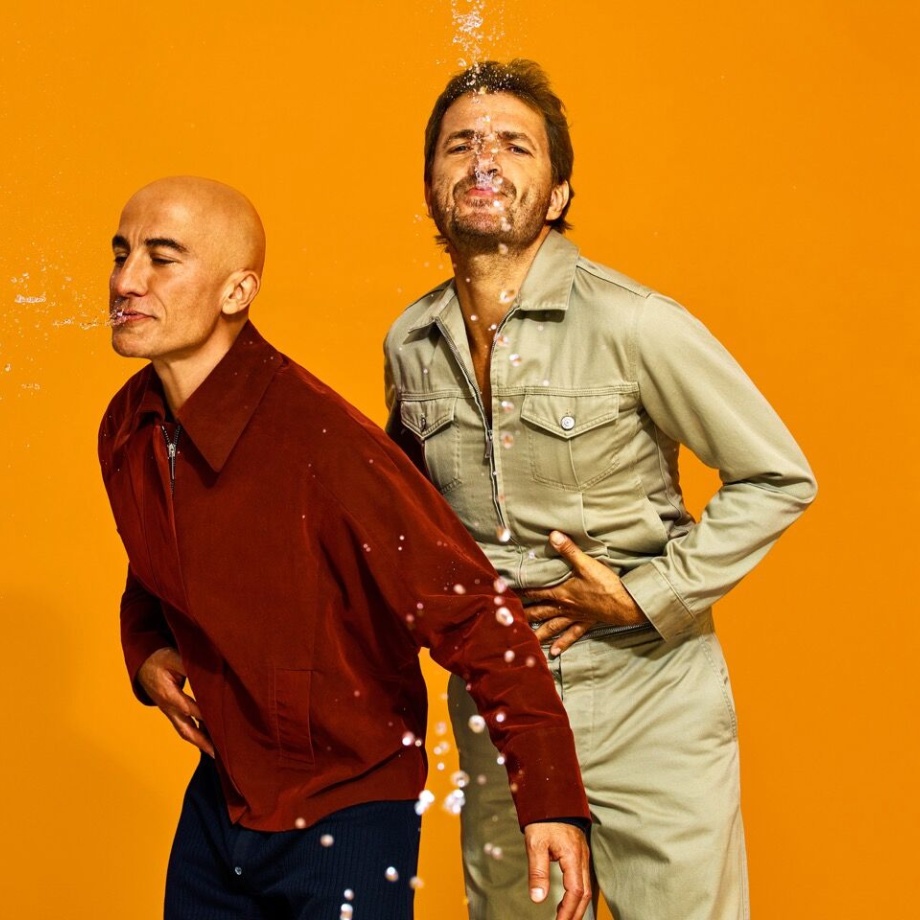
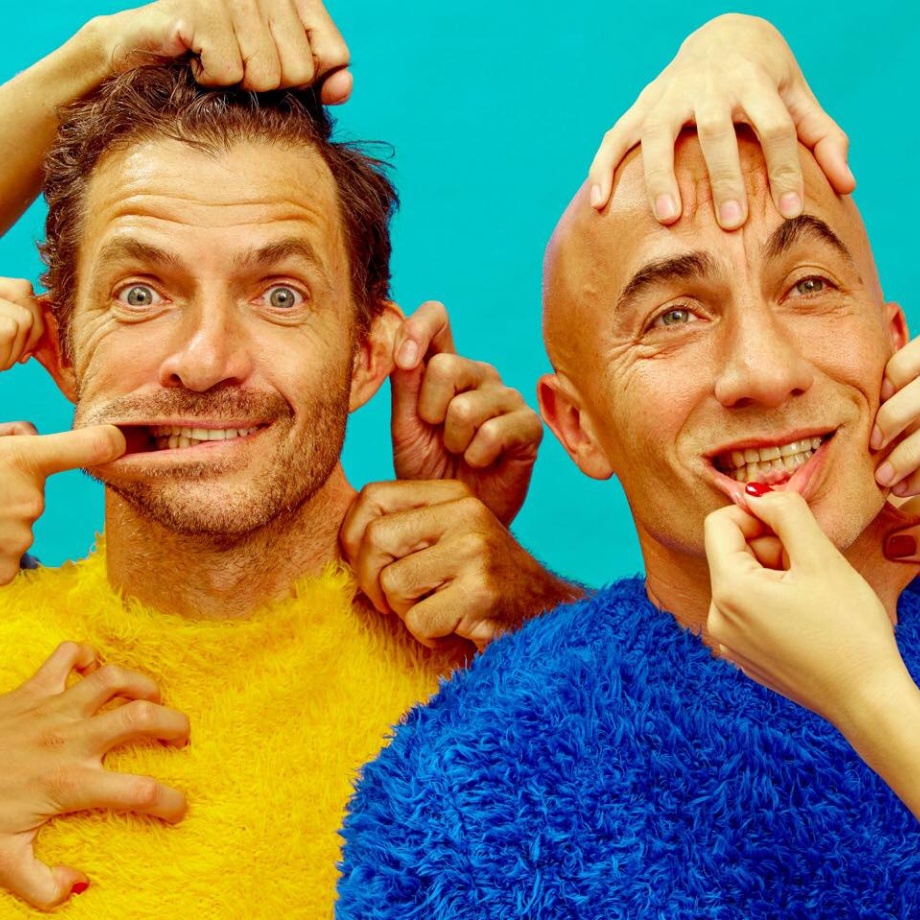
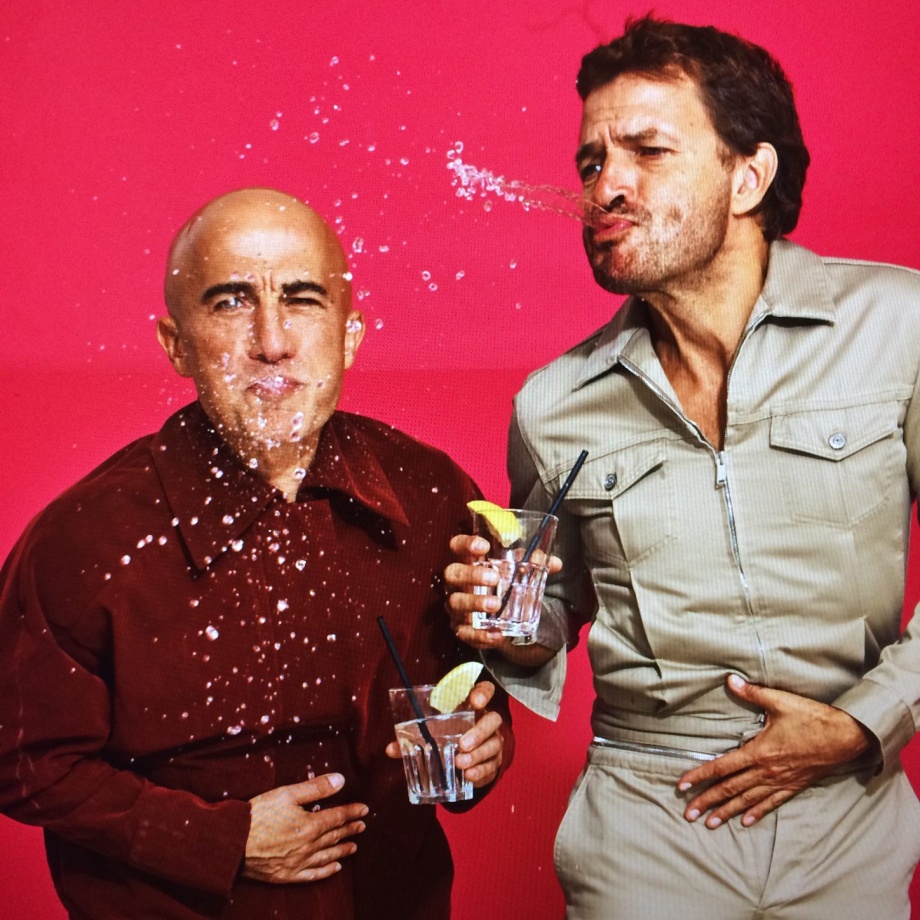
Formed by Philippe Zdar and Hubert Blanc-Francard (known as Boom Bass), the duo made records that were warm, physical, and unmistakably French: music that understood the relationship between a groove and a room. Philippe Zdar tragically passed away in 2019, two days before the release of their final album together, Dreems. He was 52. Boom Bass has continued the project since then, and his performance at Paradise City this summer is neither a tribute show nor a retrospective evening. It is, more precisely, a celebration of what the music was, and still is, when played loud in a field.
Paris in the 1990s: The Context That Made Them
To understand Cassius, it helps to understand what Paris sounded like in the early 1990s. Electronic music there was developing its own character: less austere than Berlin, less utilitarian than London, more concerned with texture, melody, and a certain kind of pop instinct that didn't feel like a compromise. The city's house scene was small and tight-knit, built around clubs, pirate radio, and a shared sense that something new was taking shape.
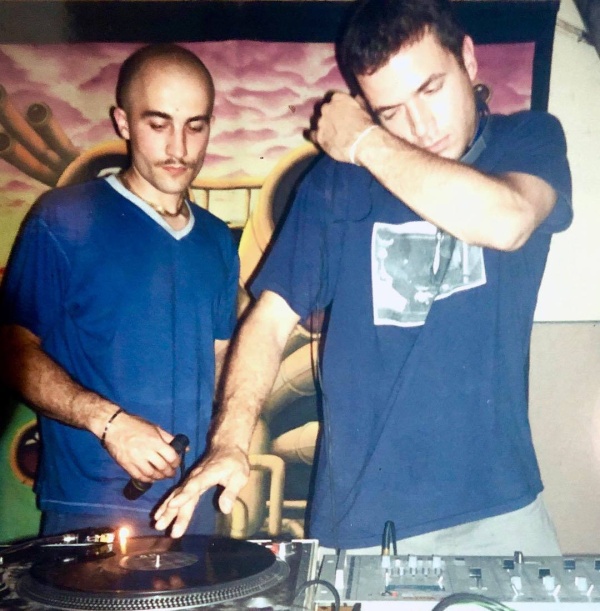
Zdar and Boom Bass came up in this environment. Both had backgrounds in sound and music before Cassius existed: Boom Bass had been part of the hip-hop group Ill Résiste, and Zdar had already begun making a name for himself as a recording engineer and mixer. The two were part of the same generation as Daft Punk, Étienne de Crécy, and Air: the cluster of producers who would eventually be grouped, not always helpfully, under the heading of French Touch.
The French Touch label is worth dwelling on briefly, because Cassius sat inside it and outside it at the same time. The movement, if it can be called that, was characterised by filtered house, disco samples flipped into euphoric loops, and a production aesthetic that felt simultaneously retro and modern. Cassius shared some of this DNA: their debut single, "Cassius 99," released in 1999, was a four-to-the-floor track built around a propulsive filtered synth line that felt like a direct transmission from every great Paris night out. It was impossible to resist, and it went everywhere.
But there was always something in Cassius's music that sat slightly apart from the French Touch archetype. Where some of their contemporaries leaned entirely on the dance, Zdar and Boom Bass kept one foot in the human mess of things - a lyrical looseness, a sense of humour, a willingness to let songs breathe and occasionally stumble.
What Cassius Actually Sounds Like
The simplest description of Cassius's sound is this: house music with a warmth that doesn't feel manufactured. Their productions have a physical quality - you feel them in your chest and your legs before you process them analytically. The low end is generous without being muddy. The arrangement tends toward the elegant, not the minimal: there are layers, but each one earns its place.
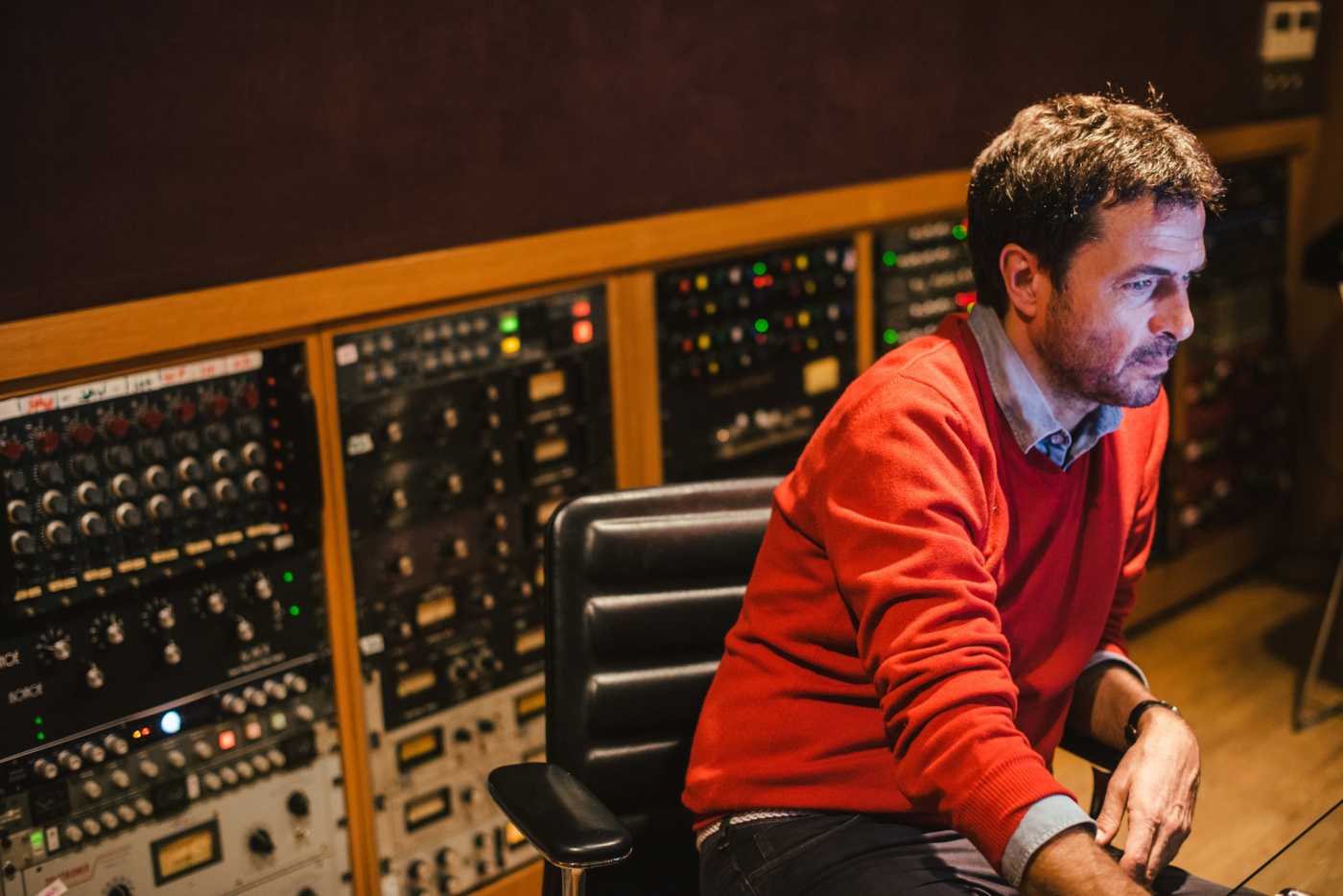
Zdar's engineering background is audible throughout. The records are impeccably made. Sounds sit in the mix with an assurance that comes from someone who understands, at a technical level, how music occupies space. But the technical precision never becomes coldness. Cassius records feel like they were made by people who genuinely enjoyed making them - there is a pleasure in the sound itself that translates to the listener.
Their debut album, 1999, announced this approach to a wide audience. "Cassius 99" became something close to an anthem, and the album around it held its own: eleven tracks that moved between pumping house, slower groove pieces, and moments that tilted toward pop without apologising for it. The follow-up, Au Rêve (2002), took more risks, incorporating elements of electro, rock, and funk into a sound that felt harder to categorise but no less coherent.
Later work - 15 Again (2006), Ibifornia (2016) - showed an act that continued to evolve without chasing trends. Ibifornia in particular was a late-period reassertion: a record that sounded like Cassius had decided to distil everything they knew about making people move into one focused, unhurried statement. The vocals, the sequencing, the weight of the production: everything felt considered and confident.
Philippe Zdar: The Other Work
Any account of Cassius needs to reckon with Philippe Zdar's parallel life as a record producer and mixer, because it was one of the most significant such careers of his generation.
The list of records he touched is extraordinary in its range. He mixed Homework and Discovery for Daft Punk: two of the defining albums of French electronic music. He produced Phoenix across multiple records, helping to shape a sound that took the band from cult favourites to international presence. He worked with the Beastie Boys on Hot Sauce Committee Part Two. He produced the Beastie Boys' To the 5 Boroughs, Cat Power, Chromeo, and many others. In France, he was the producer you called when you wanted the record to feel right.
What made Zdar exceptional as a producer was a quality that also defined his work as Cassius: an ability to make music feel alive without forcing it. "I like the idea of music that's human," he said in an interview, "that you can hear the effort, the breath, the moment." That philosophy shows up across everything he touched - a capacity to hear what a record needed and to give it that without imposing himself on it. The musicians he worked with consistently described him as someone who listened first, who made the room comfortable, who drew out performances rather than dictating them.
His death was, in this light, a loss that extended well beyond Cassius. He was a custodian of a certain way of making records: patient, feeling, technically rigorous without being clinical. That tradition continues in the work he left behind.

Dreems and What Followed
Dreems was finished and ready. The record had been completed, the artwork done, the release date set. Then, on 19 June 2019, two days before it came out, Philippe Zdar tragically fell from his apartment balcony in Paris after the railing gave way.
The album was released on schedule, as he would have wanted. It is a beautiful record: lush, expansive, built around a kind of dreaming quality that the title signals. The production is generous and warm, very much a Cassius record and very much a Zdar record. Listening to it now, knowing the circumstances, is a particular experience. But it also stands on its own terms, which is probably the most accurate tribute to what it is: good work, completed.
For Boom Bass, the question of what to do next was not straightforward. He has spoken carefully about the decision to continue the project, describing it as both a responsibility and a form of loyalty to Zdar, to the music, and to the people who had followed Cassius for twenty years. "The music is there," he has said. "It exists. And it deserves to be played and heard."
The music is there. It exists. And it deserves to be played and heard.
Seven Essential Cassius Tracks
- Cassius 1999 (1999): The debut single and still the clearest statement of what Cassius does: filtered synths, an unstoppable groove, Paris in a box.
- La Mouche (1999): A slower, more searching track that showed there was depth beneath the dance.
- Feeling For You (1999). The debut album's most openly emotional moment: melody pushed to the front, warmth turned all the way up.
- The Sound of Violence (2002): A harder, more insistent track that pushed toward something rawer without losing the warmth.
- I <3 U SO (2006): A pop instinct fully realised: four minutes of pure lift, impossible to shake.
- Go Up (2016). The late-period Cassius at its most confident: slow-burning, physically generous, and deeply satisfying.
- Don't Let Me Be (2019): One of the standout tracks on the final album: a collaboration that sounds effortless and complete.
Continuing Without Resolution
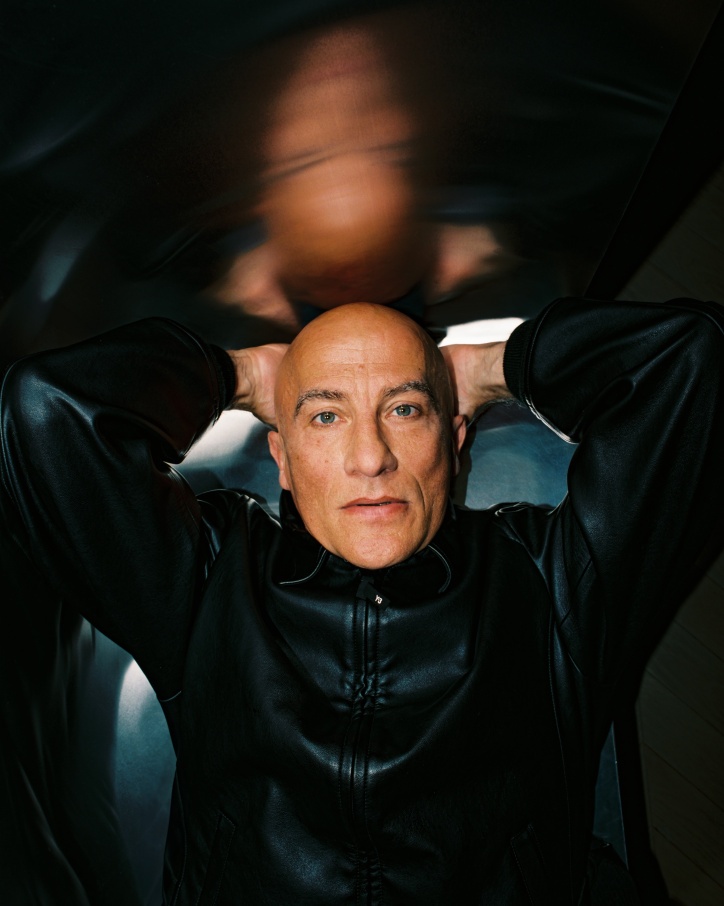
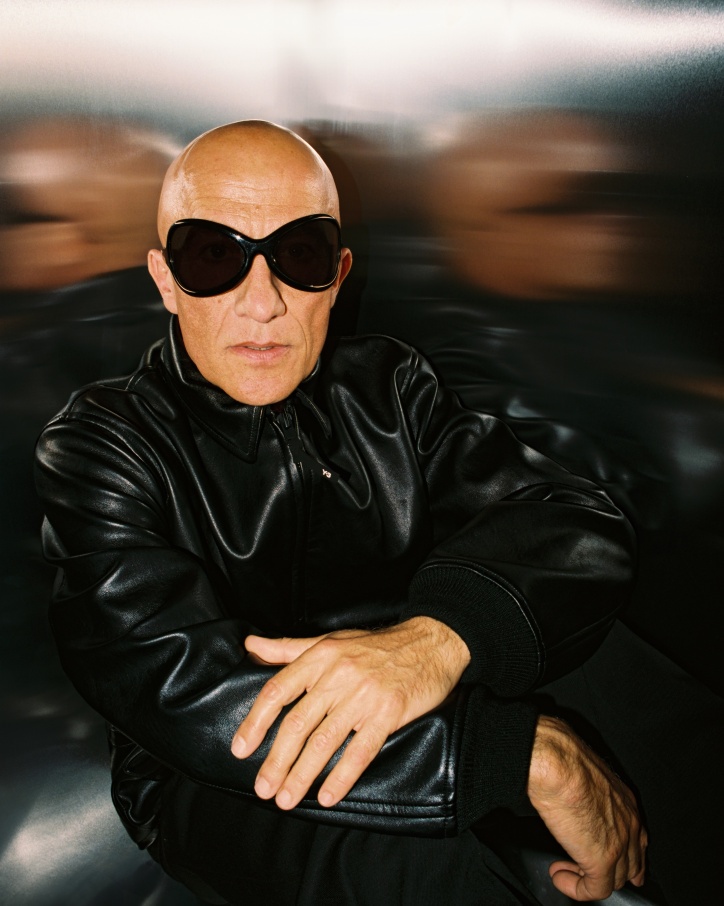
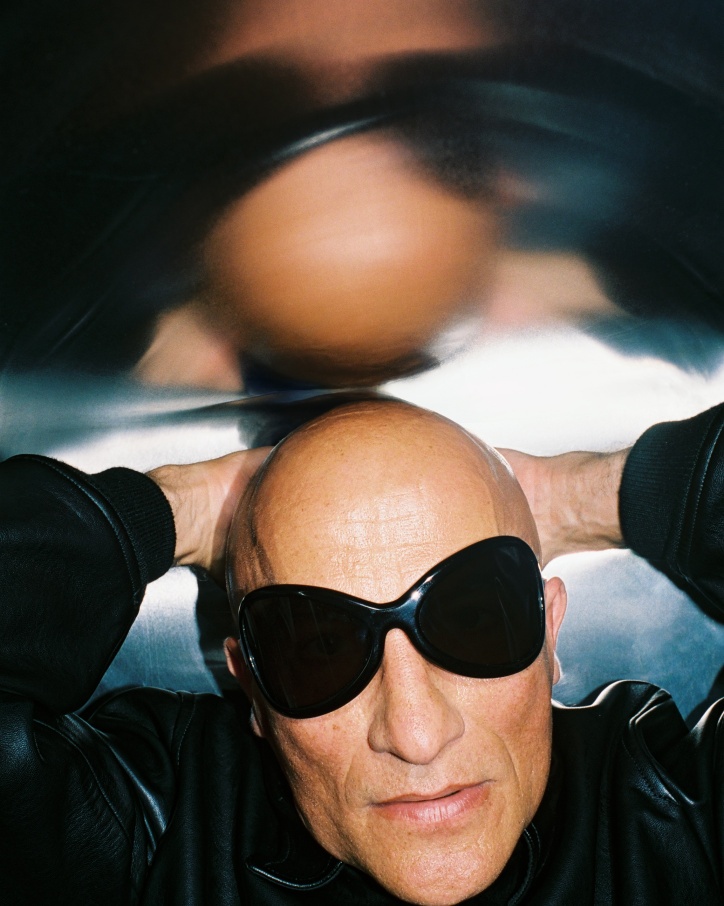
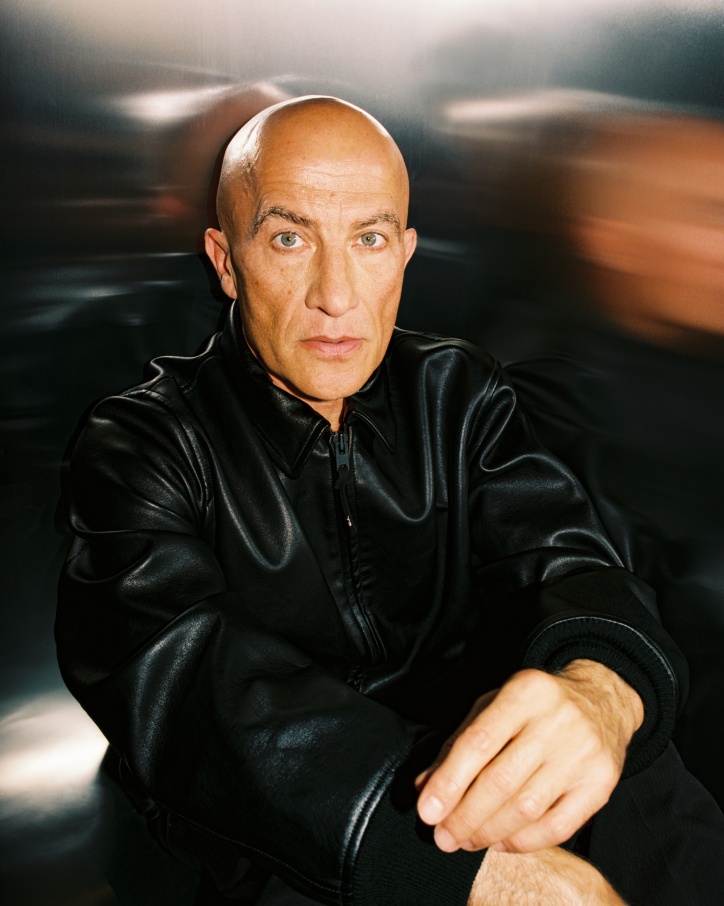
There is no clean way to frame what it means for a duo to become one person carrying the name and the catalogue of both. Boom Bass has not tried to force one. He has continued to perform as Cassius without pretending that the absence is anything other than what it is. The live shows that have followed Zdar's death have been described by those who have seen them as genuinely celebratory - full of the music's energy, honest about what it means to be there.
That is, perhaps, the right approach. The records are not diminished. "Cassius 99" still does what it always did. Dreems still sounds like a record made by two people at the height of their understanding of what they were trying to do together. The music holds the collaboration even when the collaborators are no longer two.
What Boom Bass brings to Paradise City is this: a set built from a catalogue that spans the full Cassius story, played by someone who made every record in it, who knew every decision behind every sound, and who is choosing to keep the music alive because it deserves to be.
On Saturday June 27, Cassius will perform at the Concert Hall at Paradise City Festival 2026. The set draws from twenty years of records, made in Paris studios, finished in the years before everything changed, kept alive by the person who made them. The music has always been designed for a moment like this.
This article was written with input and quotes from previous publications and interviews, including features in Les Inrockuptibles, Mixmag, The Guardian, and Resident Advisor, as well as liner notes and press materials. We recommend these sources to anyone who wants to go further into the work of Cassius and Philippe Zdar.