

Floating Points: Bridging Science and Sound
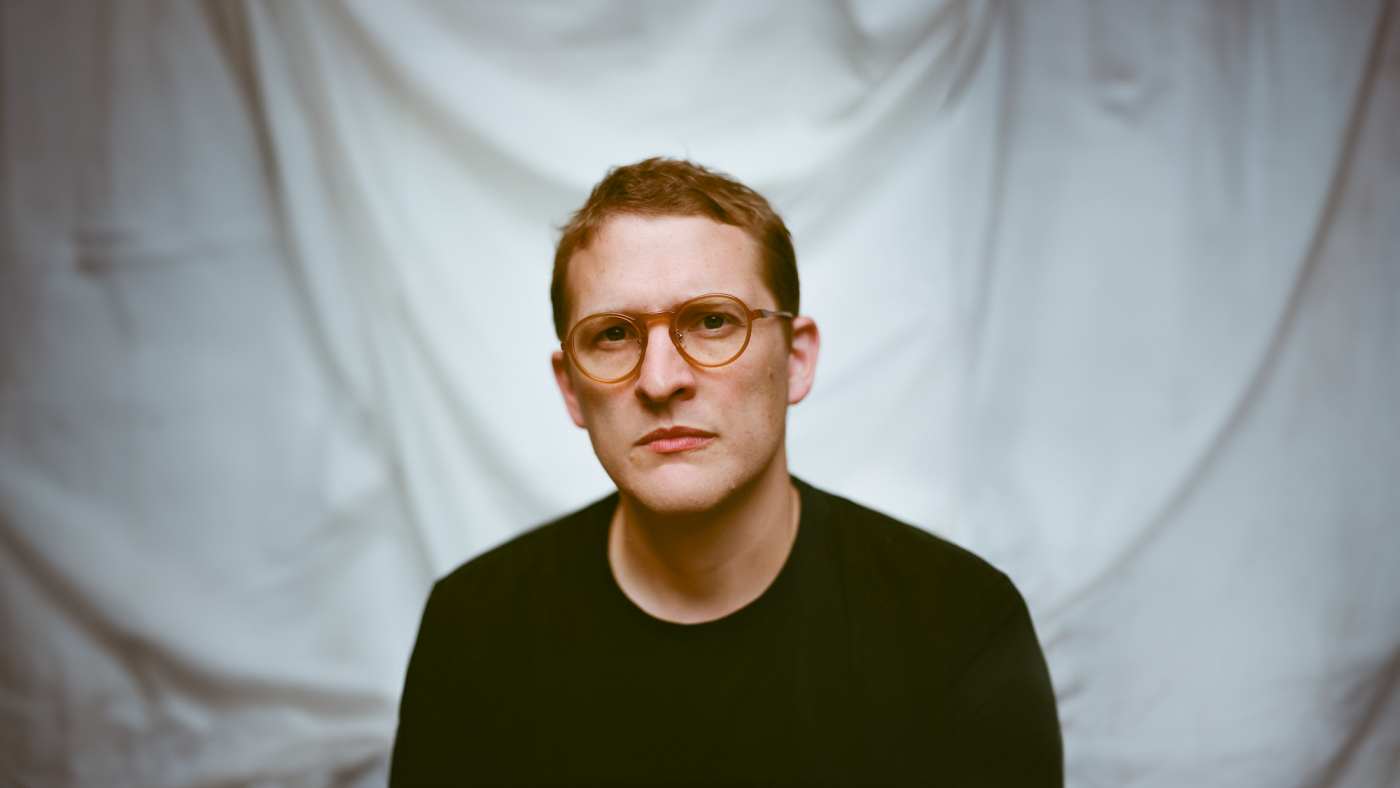
Floating Points is a DJ and musician who also holds a PhD in neuroscience: a rare blend of scientific precision and creative musicality. Here's his story.
Who? What? Floating Points, is a British electronic music producer, DJ, and experimental composer based in London. In the world of electronic music, he stands out as a true polymath: not only has he crafted genre-blurring, richly detailed compositions, but he also earned a PhD in neuroscience while launching his music career. Floating Points’ sound moves fluidly between techno, house, jazz, ambient, and even classical influences, driven by an almost scientific fascination with rhythm, texture, and sound design. Equally at home on a club dancefloor as in an academic lab, Shepherd has built a career where science and art coexist in harmony.
The Scientist-Musician Intersect
Before music fully took over, Sam Shepherd was (and remains) a scientist. He was pursuing a doctorate at University College London, focusing on the neuroscience of pain, specifically studying molecular regulators, such as microRNAs, in neurons. “Science will be my main thing for the next years… It’s quite important work, and as a result, I am very motivated by it,” he said early in his career, noting that “the majority of people probably do not care what microRNAs are.” Despite his deep dive into molecular biology, Shepherd found that making music provided a counterbalance - a way to give something back to the world creatively while his scientific research tackled longer-term questions. He sees parallels between the two fields: “The formulation of scientific ideas is, in a sense, creative thinking,” he observes, emphasizing that one can be creative in science just as in art. In his view, science and art are inseparable in his work.
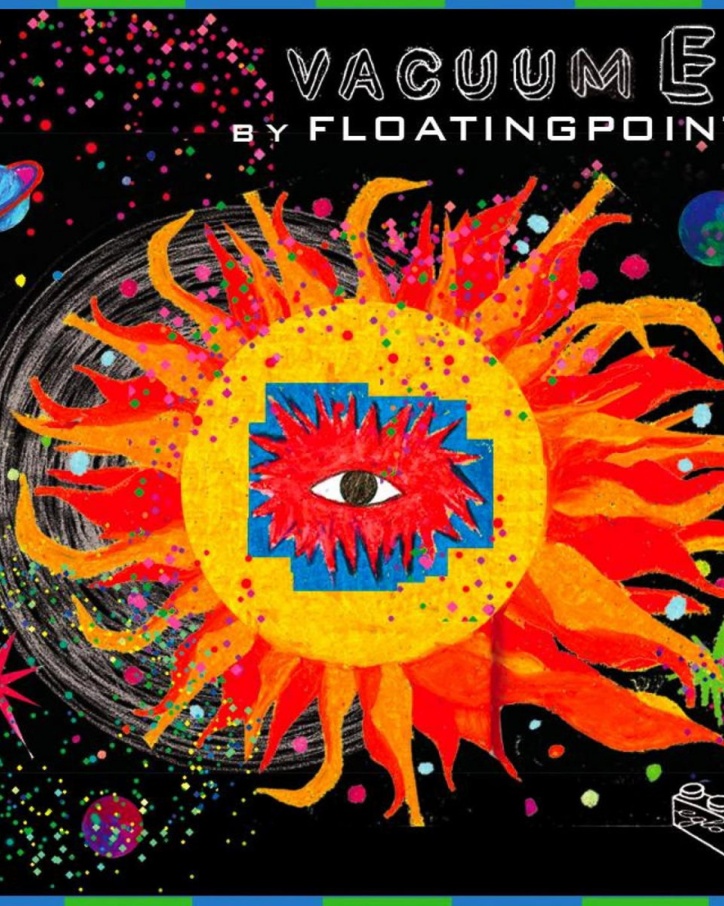
This unique mindset permeates his music production. Shepherd approaches music with a meticulous, research-like discipline yet allows for playful experimentation, almost as if each track is a lab experiment. For example, on his breakout EP Vacuum Boogie (2009), he literally sampled the sounds of inanimate household objects - jangling keys, a fire extinguisher, his parents’ vacuum cleaner, even the bell-like “ding” of a typewriter - and wove these into luscious, squelchy dance grooves. Such inventive sampling shows a scientific technique applied to creative ends. He admits he gets a mischievous pleasure from hiding everyday noises in dance tracks: “You’ve got this cheeky guy who samples a toilet seat or something really dull... and turns it into something funky. I find this really interesting.” The average raver might never realize a synth hook was actually a vacuum cleaner, but for Floating Points, that inside joke is part of the fun. In a sense, he treats sound like a scientist treats data - collecting raw materials from the world around him and transforming them into new forms....
The formulation of scientific ideas is, in a sense, creative thinking
At the same time, Shepherd’s scientific side never undermines the emotional core of his music. Critics have noted that for all the “nerding-out” and complex detail in his productions, the emotional pull of his tracks remains primary. Floating Points manages to reconcile left-brain and right-brain approaches: he brings rigorous technical skill to crafting sounds, yet the result feels soulful and organic. Vacuum Boogie’s layered synths and Love Me Like This’s thick, acidic basslines earned acclaim not just for their technical polish but for their almost tangible warmth. In Shepherd’s own words, “Perhaps in terms of technique, my music is probably quite scientific. Or maybe a form of rebellion,” he says with a smirk. Precision and playfulness go hand in hand in Floating Points’ work.
A Genre-Defying Musical Vision
From the beginning, Floating Points made it clear he does not like to be boxed into any single genre. “I am not concerned with genre… I don’t really give a f about what anyone else is doing,” Shepherd has said bluntly. His music is best understood as the sum of an eclectic set of influences and listening habits. “The music I make is influenced by anything I have heard, seen, felt… What I have heard is quite wide-ranging and as a result that comes out in my music,” he explains. Indeed, critics have struggled to categorize his sound, which can morph from cosmic, jazz-inflected soundscapes into jacking house beats or sweeping classical passages within a single record. Floating Points effortlessly rolls up decades of musical history into something distinctly his own.
He is a classically trained pianist who grew up studying composers like Debussy and Messiaen, but he’s equally steeped in underground club culture. As a teenager in Manchester, Shepherd fell in love with drum ’n’ bass and jungle, proclaiming it “the best music in the world” at the time. He later devoured soul, funk, and disco records, and became a devoted crate-digger of obscure jazz and world music. This breadth of inspiration feeds into Floating Points’ output, making it rich and hard to predict.
Floating Points’ genre-blending ethos means each release can surprise. Within a single record, you might encounter jazz-fusion keyboard solos, brain-melting synthesizer arpeggios, and rattling broken-beat drums, all coexisting. He has steadfastly done his own thing, trusting his ear rather than market fashions. This approach has resulted in a catalog that sounds like little else, yet feels oddly familiar to open-minded listeners.
Creative Process: From Lab to Studio
In the studio, Sam Shepherd brings a tinkerer’s curiosity and an audiophile’s attention to detail. He has amassed a formidable collection of analog gear and vintage synthesizers in his London studio - so much that he describes the space as overwhelming. For his third album, Crush (2019), he took the deliberate step of limiting his setup: he condensed everything down to one table of equipment (the same rig he had used for live shows) and treated “that table as an instrument”, knowing every cable and knob by heart. This constrained setup forced him to be creative within bounds, almost like setting the parameters of an experiment. All the technical work went into configuring the system; when it came time to actually make music, Shepherd could just “get on with it” and even allow for happy accidents. Crush was recorded in a burst of inspired energy - written and produced in only five weeks - a stark contrast to earlier projects that he had tweaked endlessly. This looser, more spontaneous philosophy resulted in music that feels raw and immediate.
Despite this newfound spontaneity, Shepherd’s technical chops remain impeccable. He has a passion for vintage synthesizers and isn’t afraid to get his hands dirty fixing them. One prized instrument in his arsenal is the Rhodes Chroma, an extremely rare polyphonic synth from the early 1980s. For years, he struggled with a malfunctioning Chroma that would overheat and die after 30 minutes. When a second unit popped up for sale, he bought it and ingeniously swapped components until both Chromas were fully functional. With the help of a custom-built control app, he dived deep into programming these notoriously complex synths, ultimately using them to craft some of the signature sounds on Crush - for instance, the entire melody and bassline of the track “Bias” came from the richly detuned Chroma. Shepherd jokes that it “took a year or two of setup… of learning the gear,” but only five minutes to actually record the take once everything clicked.


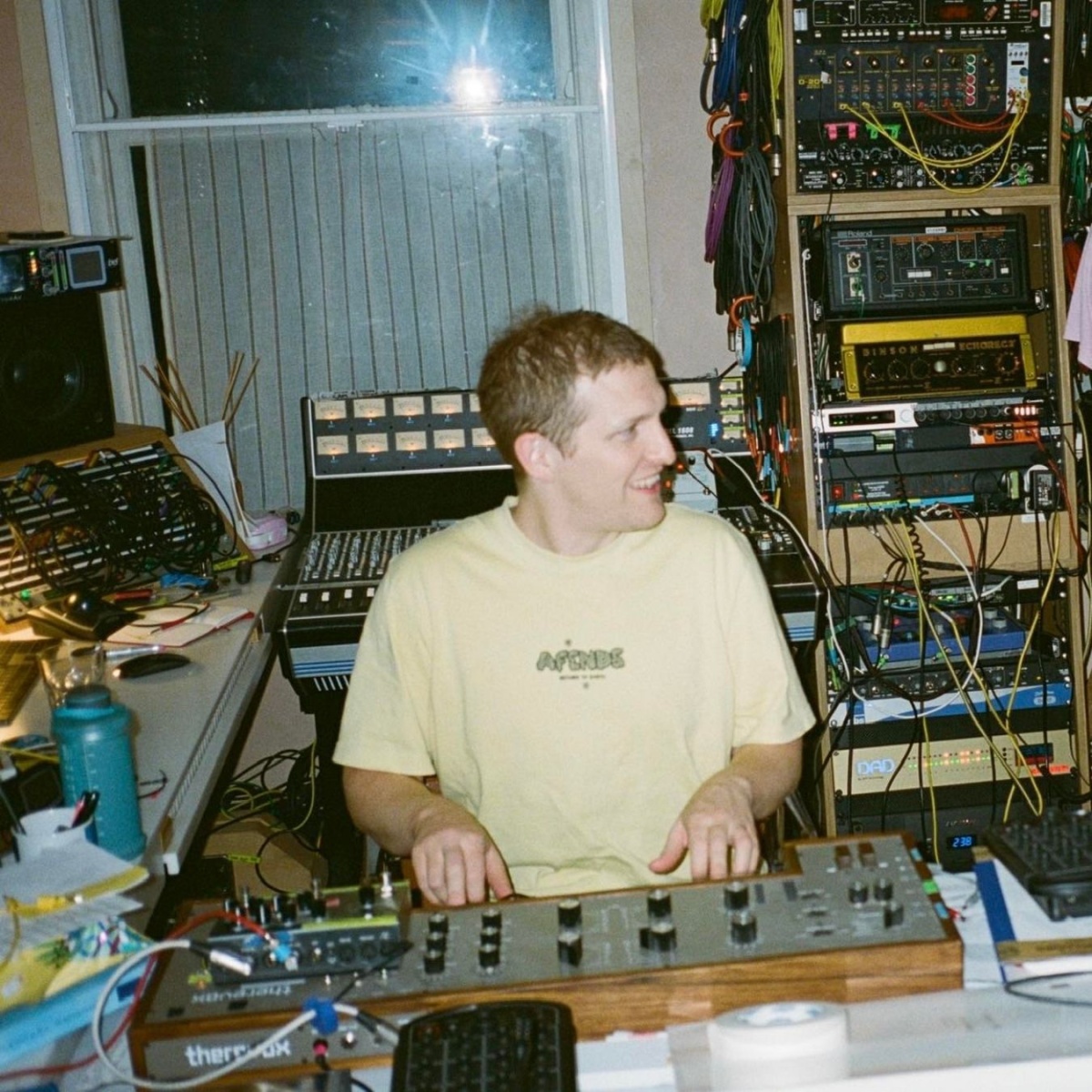
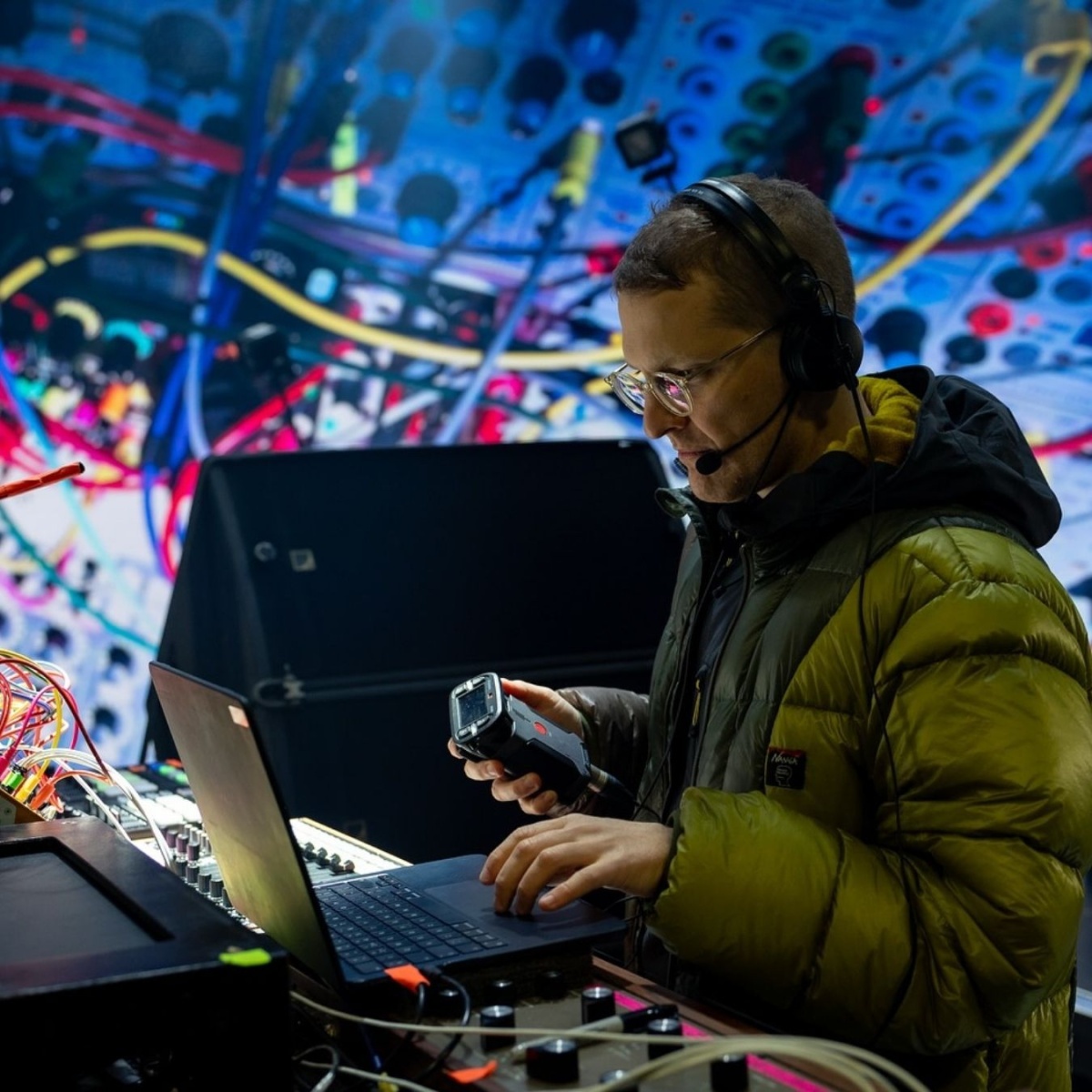
Another hallmark of Floating Points’ production is his careful handling of space and depth. He treats electronic sounds as if they exist in physical environments, often re-amping synths or layering reverbs to create a strong sense of place rather than a generic “wet” effect. Tracks regularly expand into wide, immersive passages before snapping back into dry focus, a contrast that reshapes how the music occupies a room and gives it a distinctly architectural feel. At the same time, Shepherd avoids letting technique overshadow feel. Live instruments sit comfortably alongside electronics, and many tracks begin as long improvisations on piano or hardware synths before being refined. The process balances precision with intuition, closer to exploration than execution, and helps explain why his music feels detailed without becoming rigid, immersive without losing its human core.
Vinyl Obsession and the Art of DJing
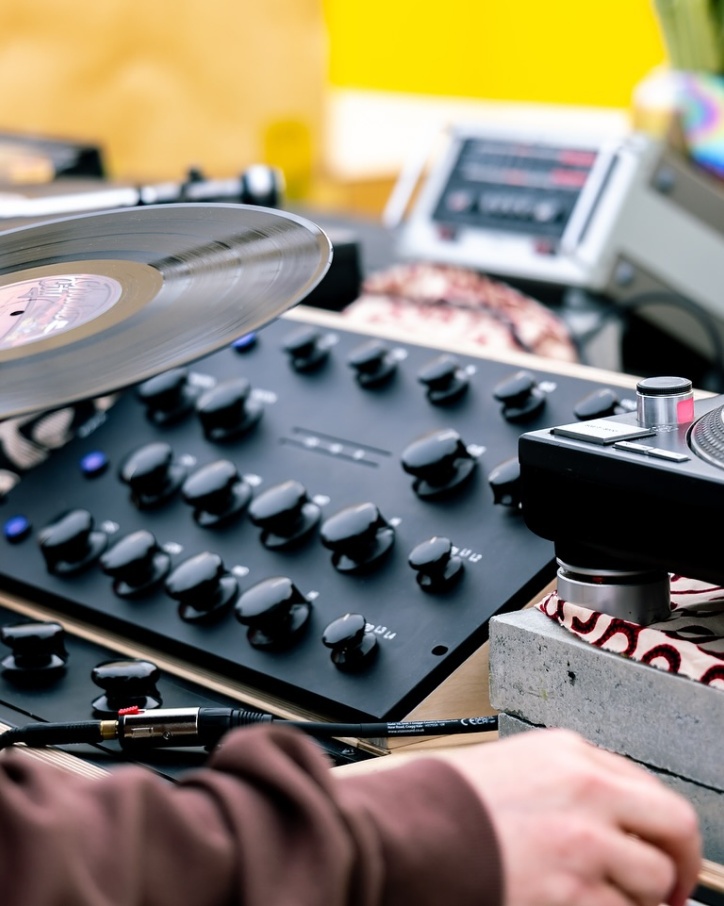
Floating Points’ artistic identity is also deeply tied to his role as a DJ and record collector. In an era of digital streaming, Sam Shepherd remains an unabashed vinyl lover and crate-digger. He owns over 10.000 records spanning jazz, soul, funk, global music, and more. As a self-described “big fat consumer” of music, he buys new records almost daily and treasures the ritual of playing vinyl. “Everyone listens to music on computers these days by clicking on whatever, but to get a record out, put it on the turntable, set the needle - it is more hassle, so you appreciate it more,” he explains. He even admits to fetishizing first pressings and mint-condition copies, likening rare original records to undiluted works of art. But unlike some audiophile collectors, Shepherd is no purist about keeping records pristine - in fact, he insists on playing his records, even the expensive rarities, and doesn’t mind if they wear out. “I’ll happily pay a lot of money for a record and play it out on a shit needle… Every time you listen to a record, you destroy it, because the needle is devouring the record. I love that,” he says, reflecting on the romantic notion that the life of a record is finite and meant to be enjoyed. This almost macabre appreciation - that “you are damaging the art as you listen to it” - underscores Floating Points’ belief that music is a living experience, not a museum piece. A vinyl record, to him, only fulfills its purpose when it’s vibrating a needle and making people feel something in the moment.
I’ll happily pay a lot of money for a record and play it out on a shit needle. Every time you listen to a record, you destroy it, because the needle is devouring the record. I love that
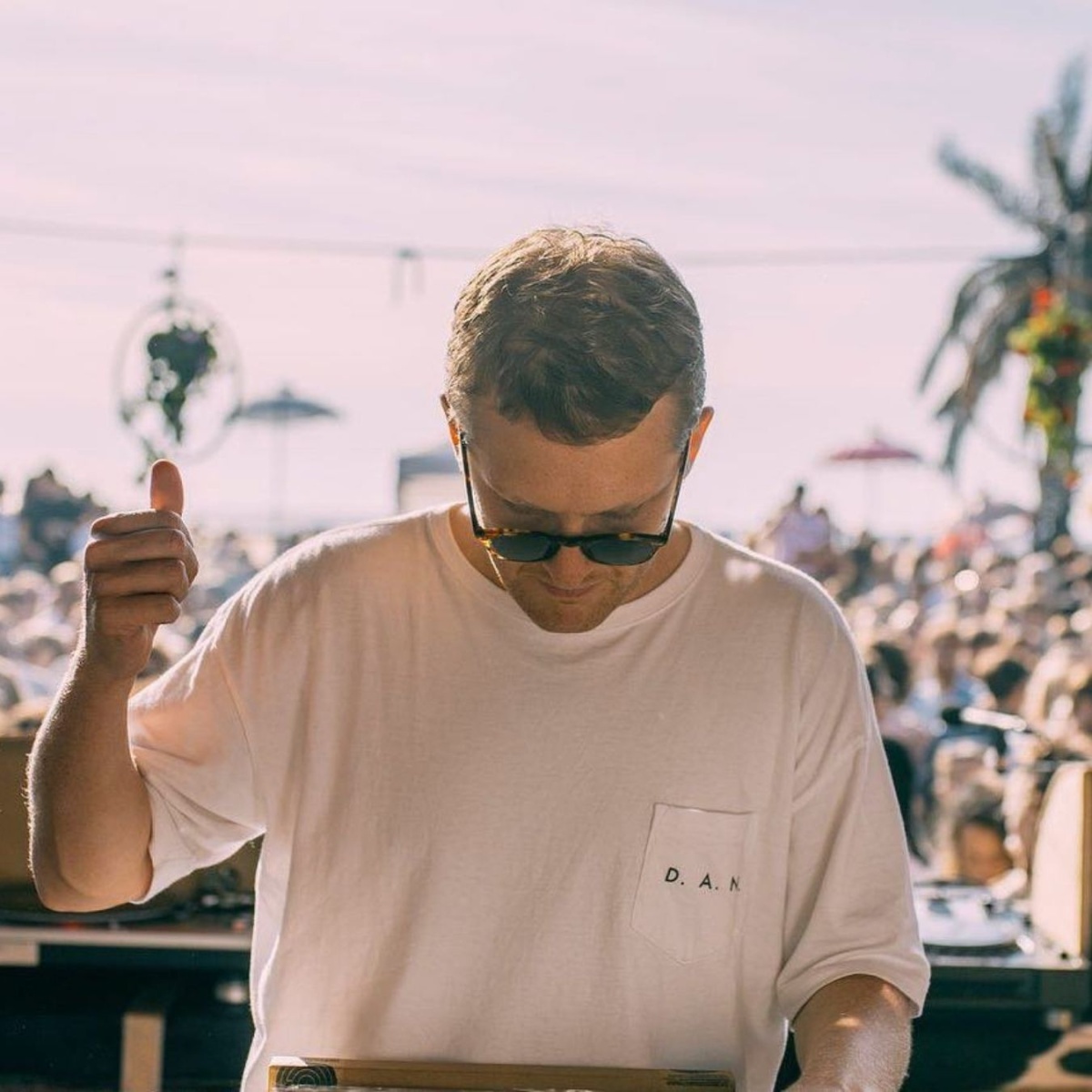
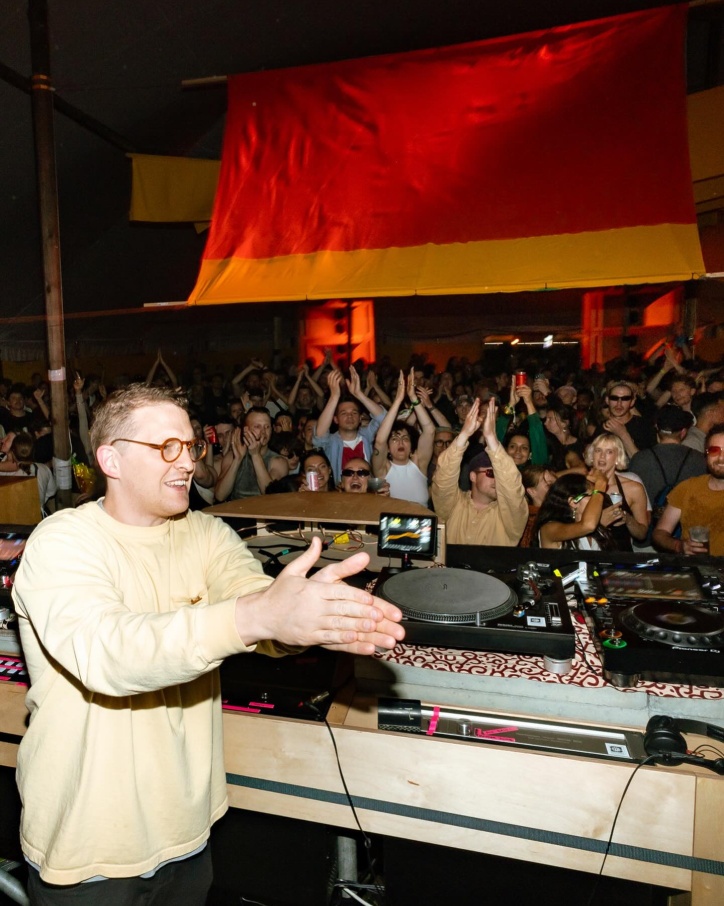
As a DJ, Floating Points has become renowned for epic, exploratory sets that ignore genre boundaries. He cut his teeth as a resident DJ at Plastic People, the legendary London club, in the late 2000s, where he learned to take crowds on unexpected journeys. His selectors’ reputation is such that he’s invited to play marathon sets in clubs all over the world - and he’s not afraid to throw curveballs. In one six-hour session at Berghain, Shepherd famously dropped an entire Pharaoh Sanders jazz album in the middle of the night, playing it in full from start to finish. The techno purists on the dancefloor had to wrap their heads around 30+ minutes of spiritual jazz saxophone, an audacious move that earned him respect for pushing boundaries. In Floating Points’ DJ sets, genre lines dissolve; you might hear Detroit techno, Chicago house, UK garage, Brazilian bossa nova, Malian funk, and ambient synthesizer washes all in one night. What ties it all together is Shepherd’s ear for musicality and groove - he finds the thread between seemingly disparate records. “Long, exploratory sets in which genre boundaries dissolve and unexpected connections emerge” are his specialty. He has described DJing as creating a narrative or changing the architecture of the room through sound, much like he does in his productions with reverb and dynamics.
Floating Points’ reputation as a digger also stems from his commitment to discovering both old and new music. He spends countless hours on Discogs and in dusty record shops hunting for forgotten gems. “Most of the time, I’m on Discogs,” he laughs, acknowledging his habit. But he also cherishes the human side of record hunting: the camaraderie and knowledge-sharing in brick-and-mortar record stores. In his formative years, Shepherd could be found daily at shops like Fat City and Factory Records in Manchester (next door to his school), then later at London’s vinyl spots - Sounds of the Universe, If Music, Phonica - soaking up wisdom from veteran DJs and sellers. “I was part of a physical community of human beings in record shops… I just wanted to be part of that knowledge circle,” he recalls. It was through these encounters that he linked up with influential figures: DJ Alexander Nut discovered Floating Points on MySpace and went on to co-found a record label with him, and BBC tastemakers like Gilles Peterson and Benji B became early champions after he handed them CDs of his tracks in person. In a legendary anecdote, Gilles Peterson was so obsessed with one rare record in Shepherd’s collection that he traded his Japanese sports car for it - a trade that Floating Points eventually reversed, finding the car too impractical and opting for a reliable VW Golf instead. These stories show how much respect Shepherd commands in the record-collecting community. To this day, he prefers getting recommendations from knowledgeable shop staff and DJs - “You might be into this!” - over any algorithm. That human touch keeps his selections truly unique.
From Underground to Orchestras: Career Highlights
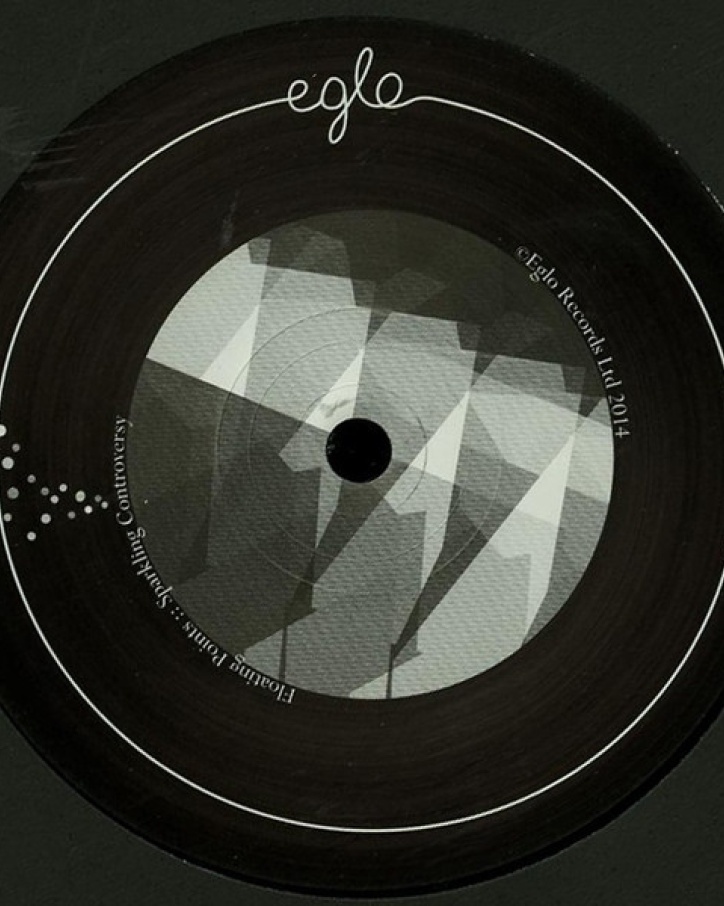
Floating Points’ journey from an underground producer to an internationally acclaimed artist has been marked by a series of distinctive projects and evolutions. In 2008–2009, while still a student, Sam Shepherd and Alexander Nut launched Eglo Records, a label that became the home for Floating Points’ early releases. His first single, “For You” (2009) was pressed by hand (literally stored in a university lab fridge until pressing!) and distributed to local shops, where its infectious groove caught on. Support from BBC Radio and the wider beats community soon followed, establishing Floating Points as a rising talent in the UK scene. Through Eglo, he released a string of now-classic EPs and tracks - “Vacuum Boogie”, “Love Me Like This”, “J&W Beat”, “King Bromeliad” - which showcased his range from deep house to broken-beat funk. By 2010, he had even expanded his vision to live performance, assembling the Floating Points Ensemble, a 16-piece group that performed his compositions with live instruments. That ensemble won a BBC Maida Vale Session award for Best Session in 2010, underlining Floating Points’ potential to bridge club music with jazz and orchestral arrangements.
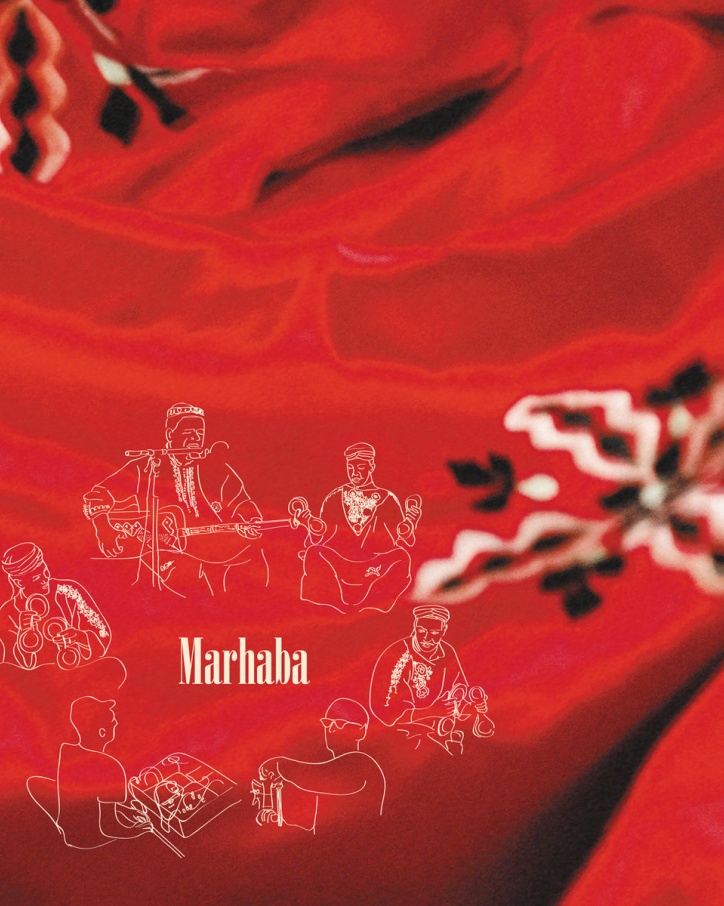
In 2014, Floating Points took part in a week-long residency in Morocco alongside James Holden and Gnawa master Maalem Mahmoud Guinia, resulting in a small but telling side project within his wider catalogue. Recorded outdoors with a minimal setup, the sessions focused on real-time exchange rather than studio refinement, with Shepherd providing loose electronic frameworks that kept Guinia’s guembri lines, vocals, and rhythmic cycles central. The resulting tracks, particularly Mimoun Marhaba, reflect Floating Points’ broader approach: using electronics not to dominate or modernise tradition, but to create space for dialogue and listening.
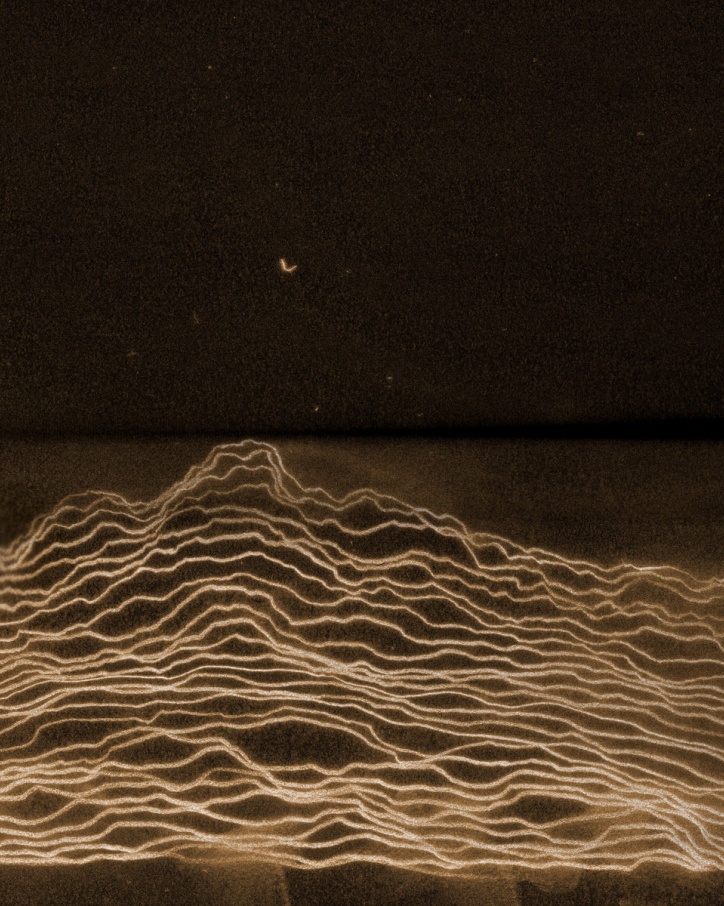
His second major project, Reflections - Mojave Desert (2017), was an audiovisual experiment: recorded in the open air of the Mojave Desert with his band, accompanied by a short film capturing the natural acoustics and atmosphere of the landscape. This willingness to step outside the typical studio/club context showed Shepherd’s artistic curiosity and love of environment-driven sound (literally playing against canyon walls and desert wind).
Floating Points’ third album, Crush (2019), marked a sharp turn back toward the electronic and the immediate. Written in a matter of weeks after touring with The XX, Crush channeled the energy of his live improvised sets into a tightly wound, high-intensity record. It was notably darker, more frenetic, and reflective of turbulent times - “a more electronic, darker and ‘zeitgeisty’ direction,” as one interview described it. Despite the stylistic shift, Crush received universal acclaim from critics and fans alike, proving that Shepherd’s production prowess could shine in any mode.
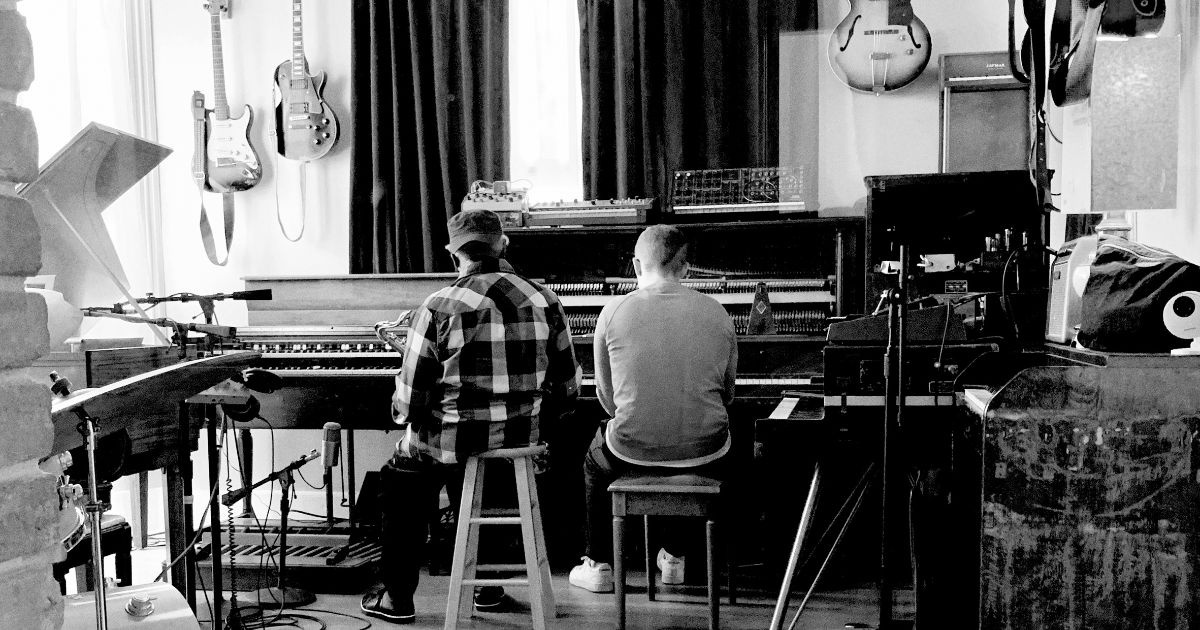
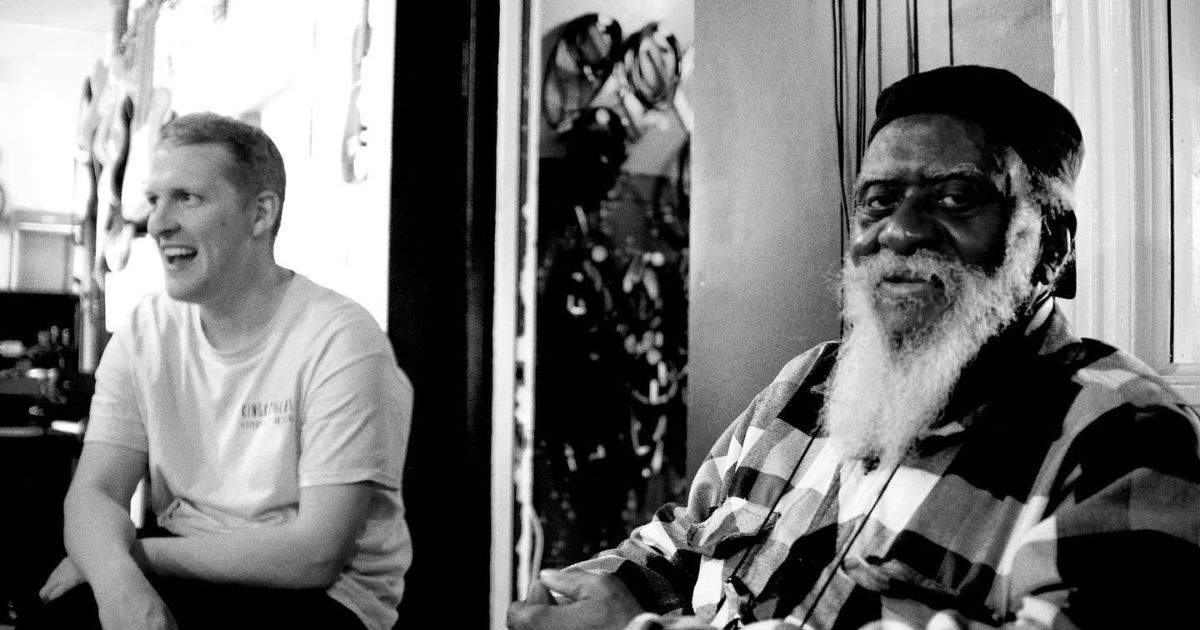
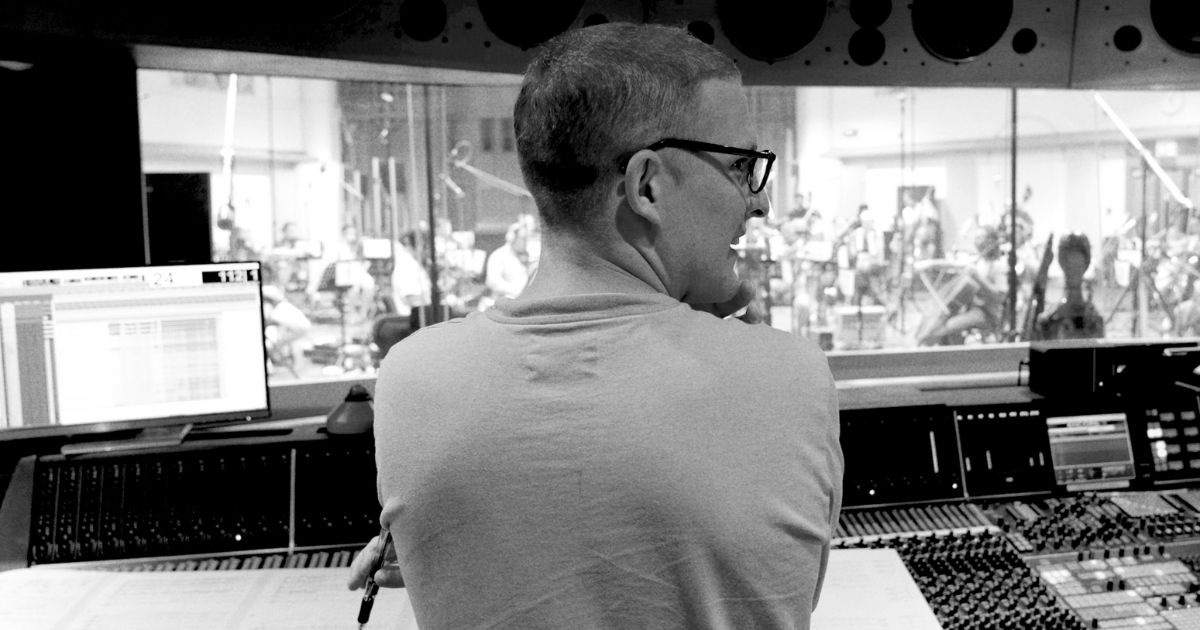
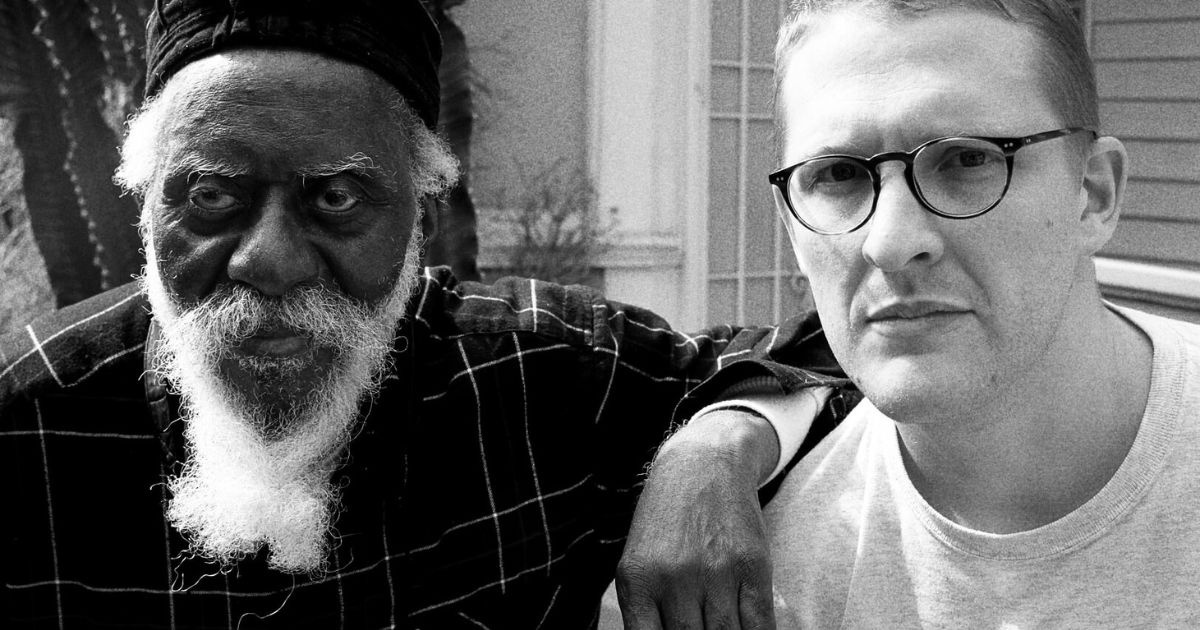
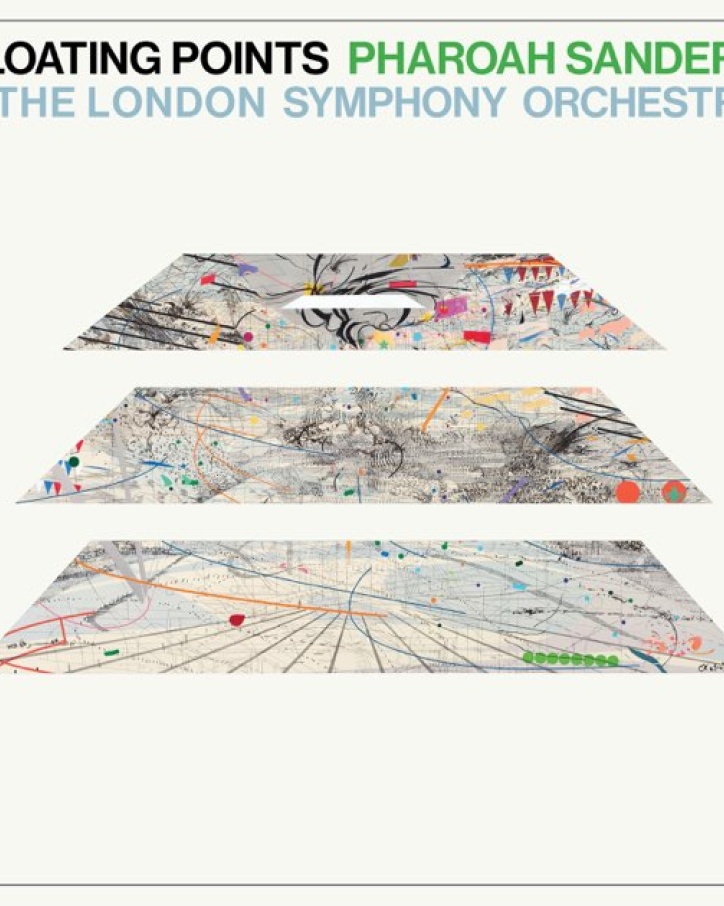
Perhaps the most extraordinary milestone of Floating Points’ career so far came in 2021, when he released Promises, a full-length collaboration with legendary free-jazz saxophonist Pharaoh Sanders (then 80 years old) and the London Symphony Orchestra. This project saw Shepherd composing a single 46-minute piece that united sweeping orchestral strings, his gentle synthesizer and piano motifs, and Sanders’ haunting sax improvisations. The result was a genre-transcending, spiritual work that received rave reviews - noted for its “dreamlike” quality and seamless fusion of electronic and tangible instrumentation. Promises was hailed as a triumph, shortlisted for the Mercury Prize, and notably became Pharaoh Sanders’ final recorded album before his passing. That a figure from the 1960s avant-garde jazz world sought out Floating Points to collaborate speaks volumes about Shepherd’s musical reputation. In Promises, one can hear the culmination of Floating Points’ ethos: classical, jazz, and electronic sounds coexisting in a sublime balance.
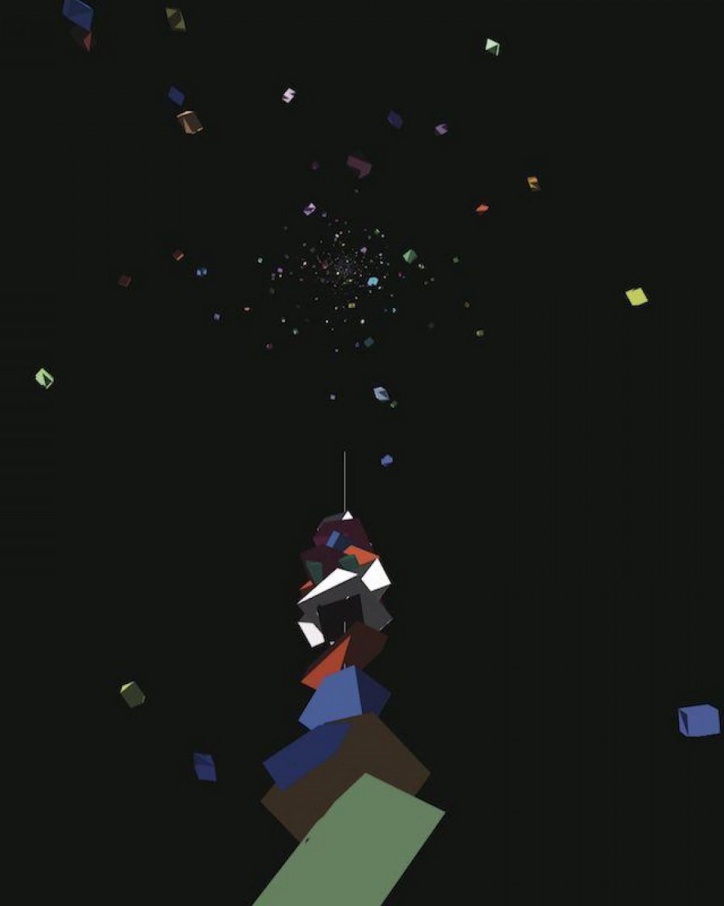
Today, Floating Points continues to evolve by folding new ideas back into the core instincts that have always driven his work. After the ambient-jazz expansiveness of Promises, he returned to sharper, club-focused material with singles like “Vocoder,” reaffirming his affinity for electro rhythms and tactile sound design. That trajectory finds its clearest expression on Cascade, his first fully solo studio album since Crush. Closely tied to his memories of Manchester, the record moves fluidly between introspective, slowly unfolding passages and direct, high-impact club tracks, often within the same composition.
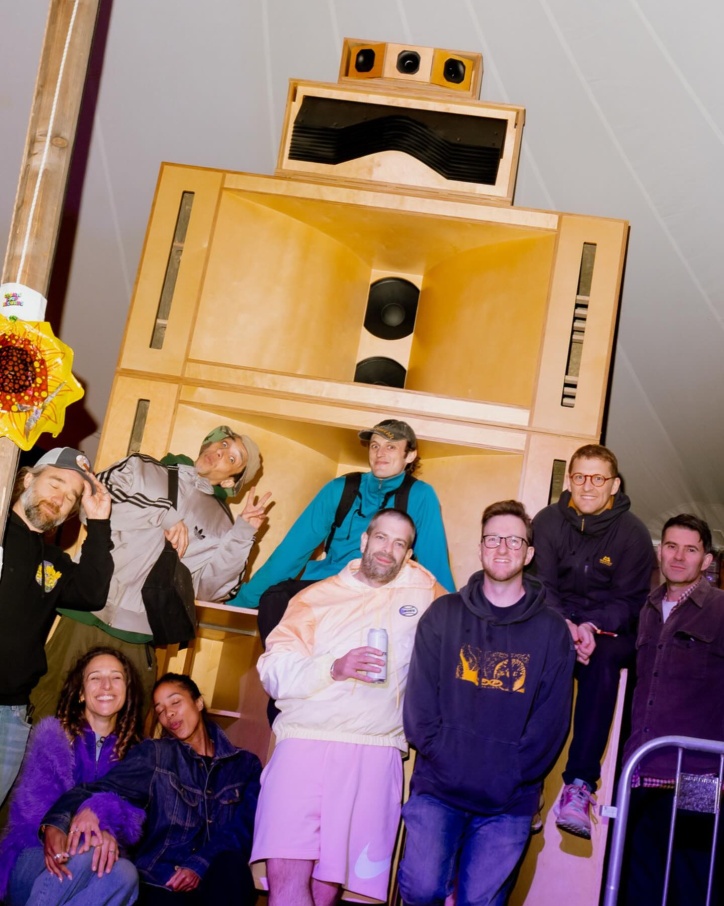
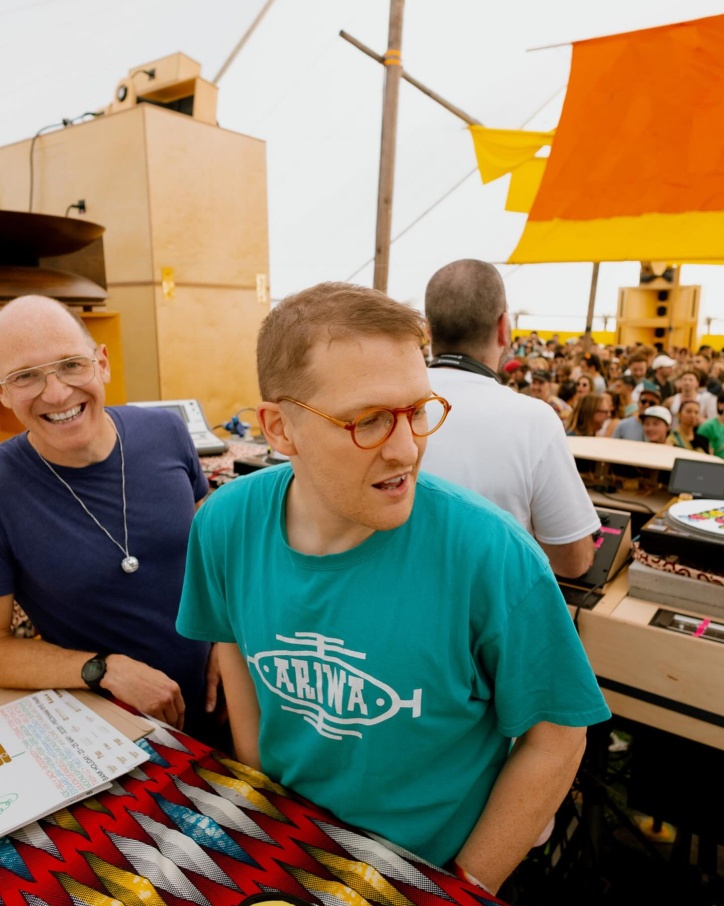
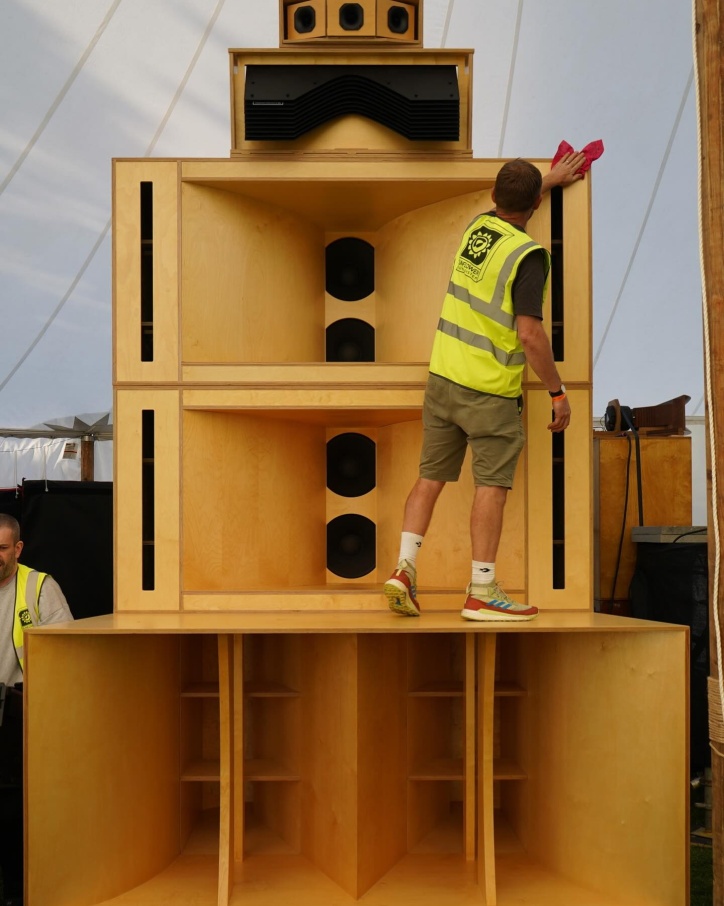
That same attention to physicality, space and detail has increasingly extended beyond production into the conditions of playback itself. After more than a decade of studying and playing on some of the world’s most respected sound systems, Shepherd realised a long-held ambition with the Sunflower Sound System: a custom-built, large-scale rig designed for depth, clarity and physical presence rather than portability. (You can watch the excellent Resident Advisor video report on this project here). Drawing on formative experiences at London’s Plastic People, global sound system culture and years of hands-on technical learning, Sunflower functions as both an audiophile instrument and a community-minded project. Debuted at festivals such as GALA and later presented at Dekmantel, the system reflects Shepherd’s broader philosophy, prioritising warmth, containment and full-body immersion over spectacle, and treating listening as an intentional, shared act.

Live Performance and What’s Next
Crucial to Floating Points’ identity is that he is equally a performer as he is a producer. On stage, he can take multiple forms: sometimes appearing behind the decks as a DJ, other times fronting a live ensemble or hardware setup. In 2024, he closed down the Concert Hall at Paradise City with an incredible whirlwind of a live show. This summer, Floating Points is set to return to Perk, this time to deliver one of his revered DJ sets at the Forest Stage. You can expect him to draw from his vast record collection to craft a journey through sound - very likely hopping from deep house to cosmic jazz, from Detroit techno to Afrobeat, in the course of a few hours.
Reflecting on Sam Shepherd’s career so far, it’s clear that Floating Points occupies a unique intersection of art, science, and underground culture. Here is an artist who can discuss epigenetic RNA regulation one moment and Detroit electro records the next; who can jam with jazz elders and then throw down at a warehouse rave. His music carries the depth of someone who thinks about molecules and the cosmos, yet it connects on a primal level with our desire to move and feel. Floating Points shows that cerebral and soulful are not opposites but complements. In his world, disciplined craft and creative freedom lock into the same groove. As we look ahead to his upcoming DJ-set, one can only expect the unexpected - and know that it will be executed with the passion of a true artist and the precision of a true scientist, in equal measure. Floating Points continues to give back to the world both as a researcher of pain and a purveyor of pleasure through sound, and the world is richer for it.
On Sunday June 28, Floating Points will perform a DJ set at Paradise City Festival 2026, right before Palms Trax. He will bring his deep crates and boundary-pushing style to new and longtime fans alike. Don’t miss the chance to experience Sam Shepherd’s singular blend of brain and groove in action.
This article was written with the input and quotes of dozens of other previous publications and interviews, including these articles: Dummymag, Groove.de, consequences.net and Pitchfork. We highly recommend reading these publications for those who want to dive deeper into the life and work of Floating Points.