

Modeselektor: A Story of Controlled Chaos

Few acts in contemporary electronic music embody the restless, shape-shifting nature of the culture quite like Modeselektor. Formed by Gernot Bronsert and Sebastian Szary, the Berlin-based duo have spent more than two decades redefining what club music can sound like. Their output resists neat categorisation, moving between techno, electro, bass music, hip-hop, and experimental electronics with an ease that feels instinctive rather than calculated.
What sets Modeselektor apart is not simply their genre fluidity, but the way they treat sound itself: as something malleable, unstable, and open to disruption. Their productions often feel like systems under pressure, constantly threatening to break apart while somehow remaining functional on the dancefloor. This tension between control and collapse has become a defining feature of their work.
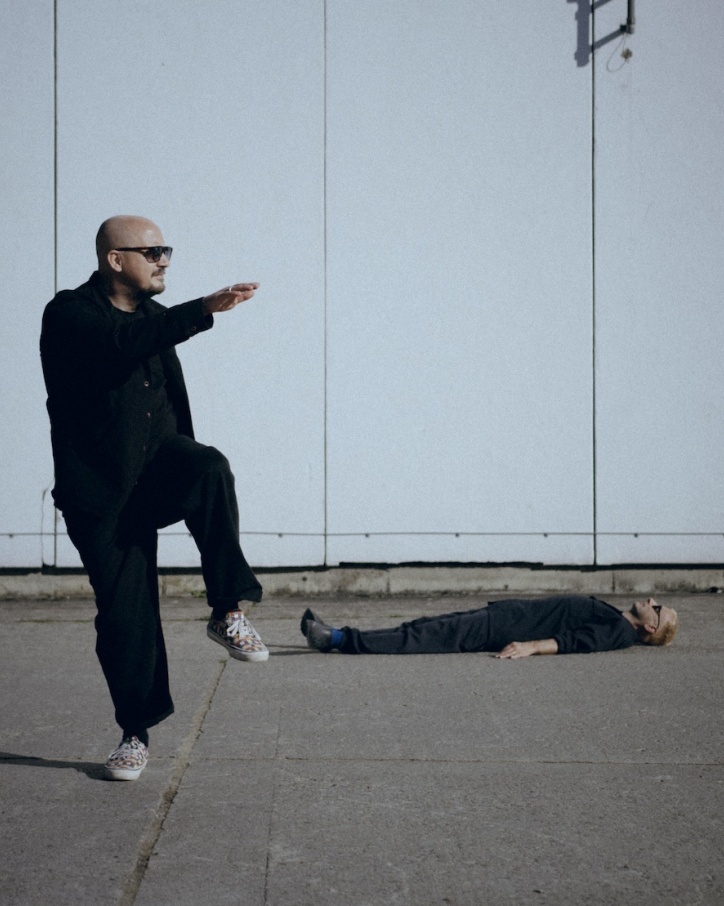
Emerging from Berlin’s post-reunification underground, they belong to a generation that experienced electronic music not as a fixed tradition but as an open field. Over time, they have grown from local outsiders into globally recognised artists, without ever fully assimilating into the mainstream. Their appearance at Paradise City on Sunday June 28 reflects a broader recognition of their role as artists who continue to challenge the boundaries of club music rather than reinforce them.
The Berlin Laboratory
To understand Modeselektor’s trajectory, it helps to look closely at Berlin in the 1990s and early 2000s. The fall of the Berlin Wall in 1989 did more than reshape political geography; it created a cultural vacuum that invited experimentation. Entire districts were left in flux, with abandoned buildings repurposed into temporary clubs, studios, and informal creative spaces.
For Bronsert and Szary, this environment functioned less as a scene to join and more as a laboratory to explore. Resources were limited, infrastructure was unstable, and access to professional equipment was far from guaranteed. Instead of polished studios, early productions were often assembled using outdated software, malfunctioning gear, and improvised setups. These conditions were not incidental; they directly informed the aesthetic that would later define Modeselektor’s sound.
The imperfections of their tools translated into a sonic language built around distortion, fragmentation, and unpredictability. Rhythms would stutter, basslines would distort beyond recognition, and melodic elements often appeared only to dissolve moments later. What might have been considered flaws in a more conventional production context became expressive tools.
Berlin is the best place to try things out because nobody cares if you fail.

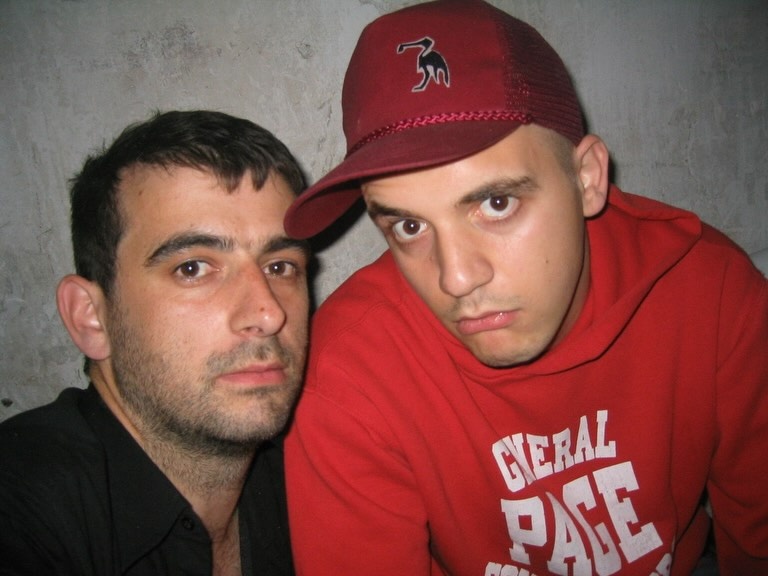
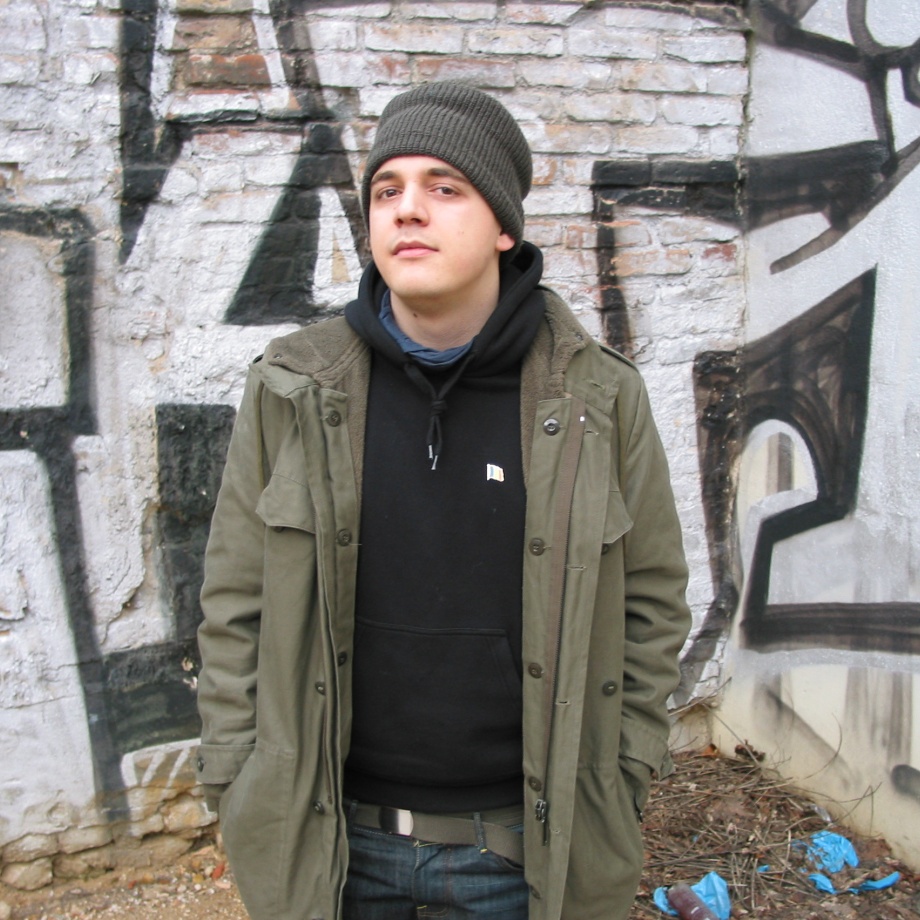
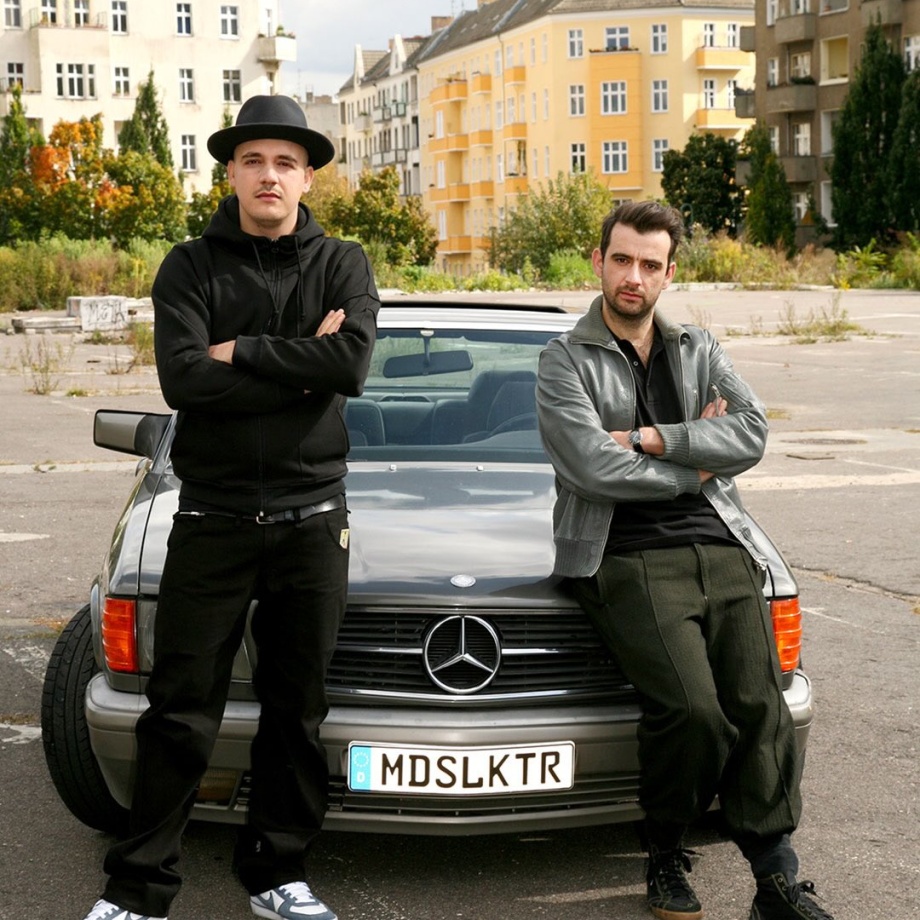
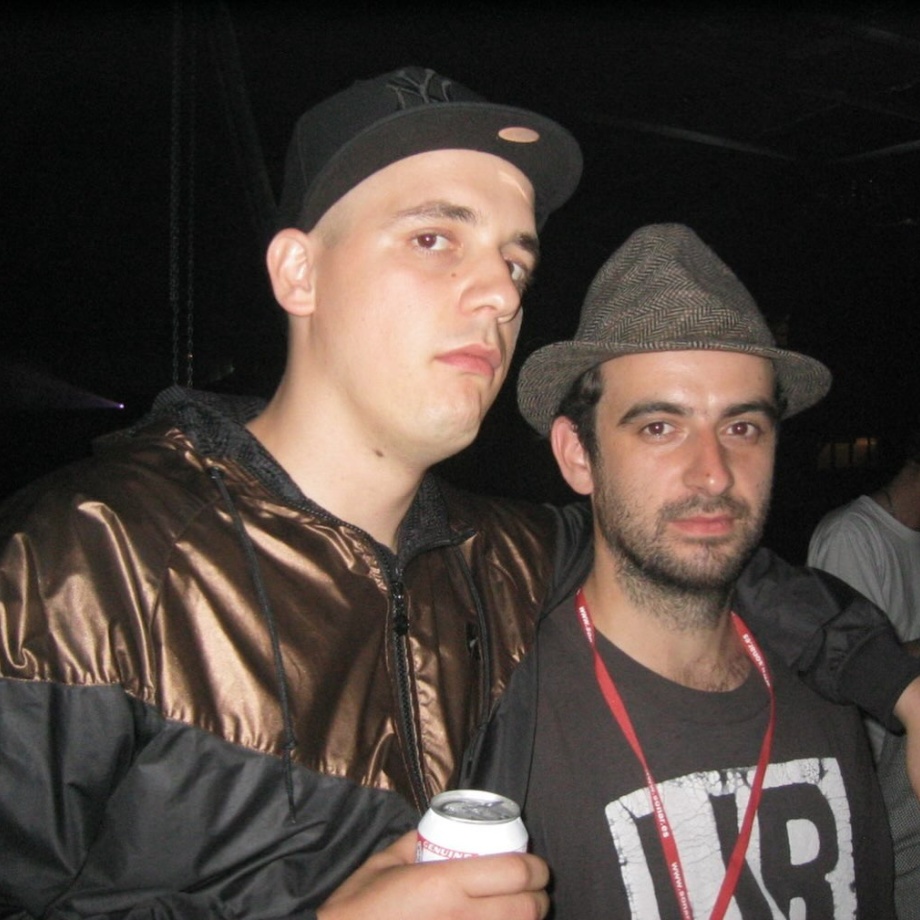
Their early connection to BPitch Control, founded by Ellen Allien, placed them within a network of artists pushing against the boundaries of techno. BPitch Control was instrumental in expanding Berlin’s electronic identity beyond strict minimalism, incorporating influences from electro, breakbeat, and experimental music. Within this context, Modeselektor’s approach felt both aligned and disruptive: aligned in its openness, disruptive in its refusal to settle into any one direction.
Importantly, Berlin at the time was not yet codified into the global brand it would later become. There was less pressure to conform to expectations, and more room for risk-taking. Modeselektor’s early work reflects this sense of freedom, as well as the instability that came with it. Their music does not attempt to impose order; instead, it captures the feeling of a system still in the process of forming itself.
Sound as Collision and Intentional Disruption
Describing Modeselektor’s sound in fixed terms is almost counterproductive, yet certain recurring traits help define their artistic identity. At its core, their music is built on collision. Genres intersect, textures clash, and structures are often deliberately destabilised. Early releases such as Hello Mom! (2005) introduced a sound that felt raw, even abrasive. Tracks combined elements of techno and electro with influences from hip-hop and IDM, but without smoothing over the differences. Instead, these elements were allowed to rub against each other, creating friction. Distorted drum machines, clipped vocal samples, and jagged synth lines gave the impression of music assembled from unstable components.
With Happy Birthday! (2007), this approach became more expansive. The duo incorporated a wider range of influences, including early dubstep and grime, while maintaining the unpredictability that defined their earlier work. The album does not follow a linear progression; instead, it moves through contrasting moods and textures, often within the same track. This refusal to adhere to a consistent tone can be disorienting, but it is also central to their appeal.
Humour plays a subtle yet important role in this context. Modeselektor’s music often carries a sense of irreverence, whether through unexpected sonic twists or playful vocal elements. This distinguishes them from many techno artists whose work leans towards seriousness and abstraction. For Modeselektor, playfulness is not a distraction from their artistic intent but an integral part of it. At the same time, their work remains grounded in the logic of the dancefloor. Even at their most chaotic, there is an underlying sense of rhythm and momentum that allows their tracks to function in a club setting. This balance between experimentation and usability is not easily achieved. It requires a deep understanding of how sound interacts with space, bodies, and movement.
As their career progressed, their productions became more refined without losing their core identity. Monkeytown (2011) marked a shift towards clearer structures and more defined melodies, while still retaining the unpredictability of earlier releases. Tracks felt more cohesive, but not necessarily more conventional. With Who Else (2019), they revisited some of the aggression and rawness of their early work, suggesting a cyclical rather than linear approach to evolution.

Expansion, Collaboration, and Infrastructure
Modeselektor’s career is best understood through a series of key developments rather than a straightforward timeline. Their early albums established them as distinctive voices within Berlin’s electronic scene, but it was their ability to expand beyond that context that solidified their broader influence. One of the most significant turning points was their collaboration with Apparat in the project Moderat. Moderat introduced a more melodic and emotionally direct dimension to their work, combining Apparat’s compositional sensibility with Modeselektor’s rhythmic experimentation. The resulting sound was more accessible, but not simplistic. Moderat’s success brought Modeselektor to a wider audience, including listeners who might not typically engage with more abrasive forms of electronic music. Importantly, this did not dilute their identity. Instead, it demonstrated their ability to operate across different contexts without losing coherence.
Another crucial development was the founding of Monkeytown Records in 2009. As a label, Monkeytown became a platform for artists working at the intersections of club music, bass culture, and experimental electronics. By curating a diverse roster, Modeselektor extended their influence beyond their own productions, contributing to the broader evolution of electronic music. The label also reflects a shift from individual production to infrastructure-building. In creating a space for other artists, they positioned themselves as facilitators within the scene. This role is often less visible than performing or releasing music, but it has long-term implications for how scenes develop.
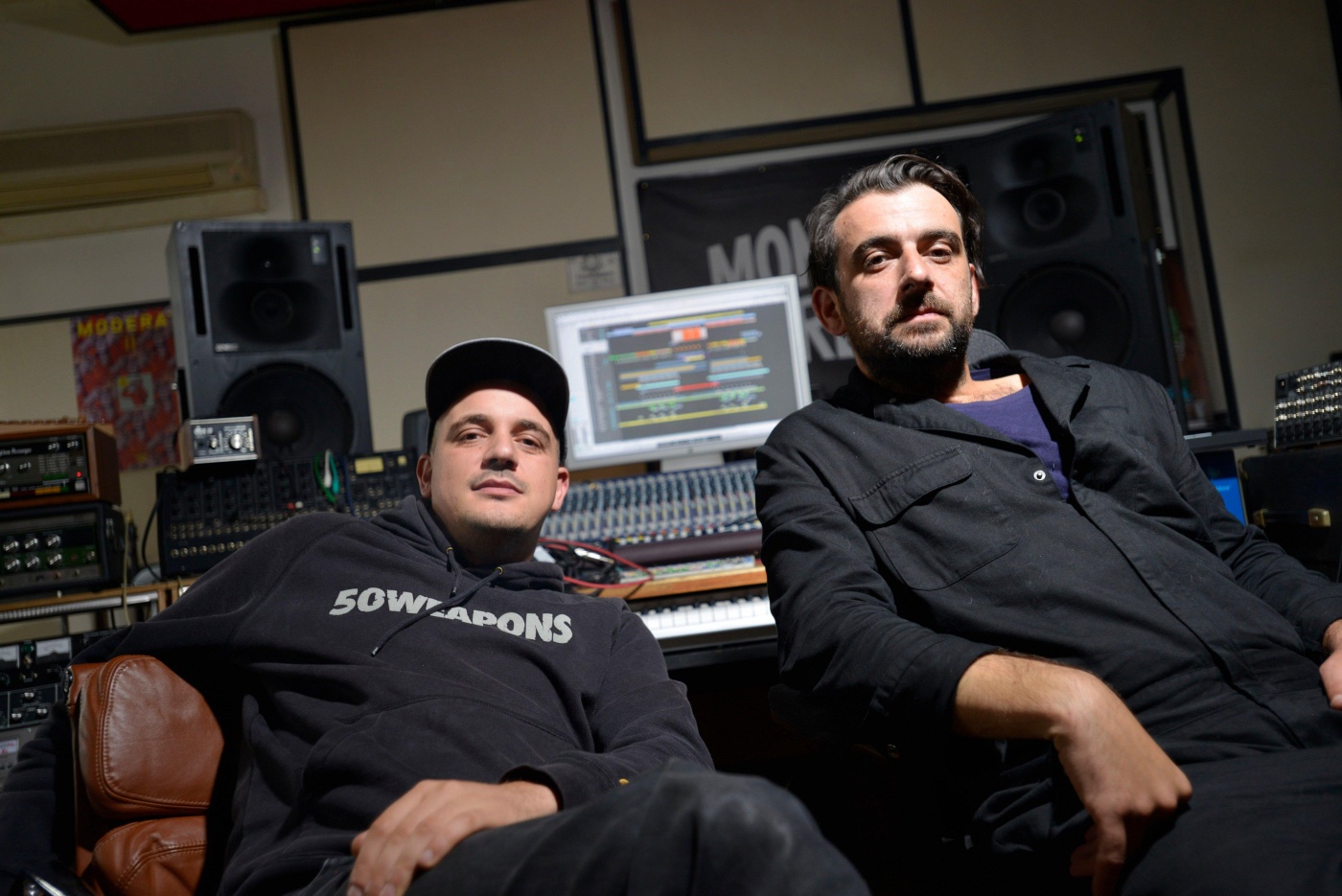
A parallel strand of this expansion took shape through 50Weapons, the sublabel launched by Modeselektor in 2009. Where Monkeytown cast a wide net across hybrid electronic styles, 50Weapons operated with a more focused intent, leaning into stripped-back, club-oriented sounds that bridged techno and bass music. The label was conceived with a clear limitation: a finite run of 50 releases, a framework that gave the project both direction and a built-in endpoint. It became an important outlet for artists such as Benjamin Damage and Shed, as well as for Modeselektor’s own more functional productions. Over time, 50Weapons developed a distinct identity: direct, physical, and rooted in dancefloor impact, yet still open to subtle experimentation. Its closure in 2015, after reaching its intended number of releases (50, hence the name), was therefore less a disappearance than a deliberate conclusion, reflecting the duo’s broader tendency to treat projects as temporary frameworks rather than permanent institutions.
Their live performances evolved in parallel. Early shows were often chaotic, reflecting the rawness of their productions. Over time, their setups became more sophisticated, incorporating hardware and real-time manipulation. However, they resisted the trend towards overly polished performances, maintaining an element of unpredictability.
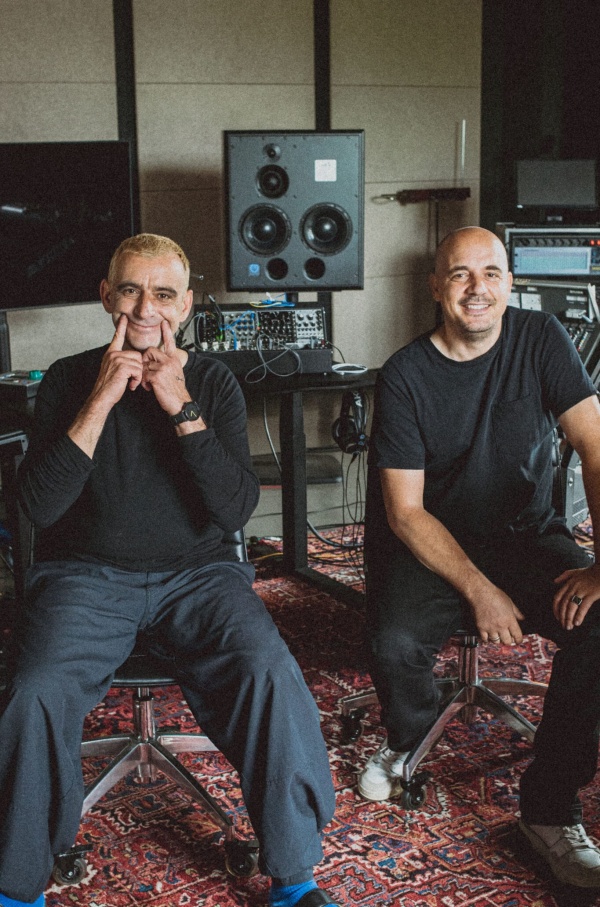
Seven tracks that exemplify Modeselektor's range:
- Hasir (Hello Mom!, 2005). A defining early track built on broken rhythms and distorted textures, capturing their raw, post-techno experimental edge.
- Kill Bill Vol. 4 (Hello Mom!, 2005). One of their most recognisable tracks, combining humour, aggression, and unpredictable structure into a club-ready format.
- Dancingbox (Hello Mom!, 2005). A chaotic yet functional dancefloor track that shows their ability to turn fragmented ideas into something physically effective.
- The Black Block (ft. Siriusmo, Happy Birthday!, 2007). A high-impact track that balances their early rawness with a more refined, powerful production style.
- Pretentious Friends (ft. Busdriver, Monkeytown, 2011). A sharp, genre-blurring collaboration where hip-hop energy meets jittery, hyper-detailed electronics.
- Bad Kingdom (as Moderat, 2013). Their most widely recognised crossover moment with Apparat, pairing emotional songwriting with electronic precision.
- Who (ft Tommy Cash, Who Else, 2019). A later-period track that revisits their heavier, club-focused sound while maintaining a tighter, more controlled production.
Always Between Scenes
In the current electronic landscape, Modeselektor occupy a position that is both central and difficult to define. They are not confined to a single scene, yet they are recognised across multiple contexts. This ability to move between spaces has contributed to their longevity. They have played a role in bridging gaps between techno and the post-dubstep era of 'bass music', as well as between experimental electronics and more accessible forms. At a time when genre boundaries were more rigid, their willingness to combine influences helped open up new possibilities. Their influence is particularly evident in a younger generation of producers who approach genre as a flexible framework rather than a set of rules. The blending of styles that once felt unconventional is now widespread, and Modeselektor were among the artists who helped normalise this approach.
At the same time, they have avoided becoming fixed reference points. Rather than settling into a recognisable formula, they continue to adapt, incorporating new influences and revisiting older ones. This ongoing evolution prevents their work from becoming static. Importantly, their position within the scene is not based on dominance but on connectivity. They function as nodes within a network, linking different ideas and approaches. This role is less visible than headline status, but arguably more significant in shaping the direction of electronic music.
We can play one day on the dubstep party, we can play another day on the minimal techno or techno party.
Modeselektor at Paradise City: a Natural Fit
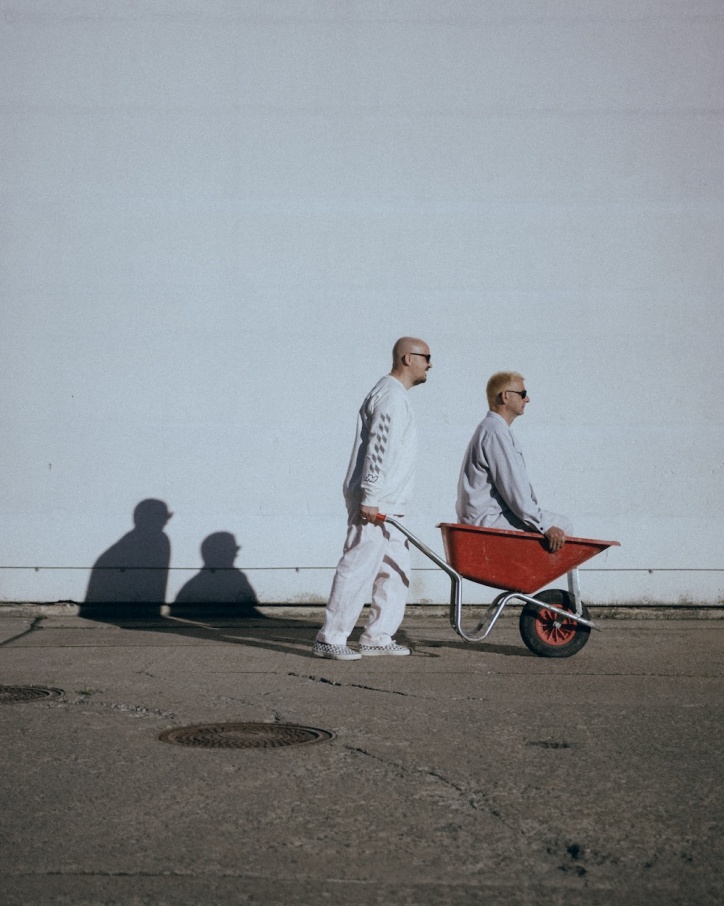
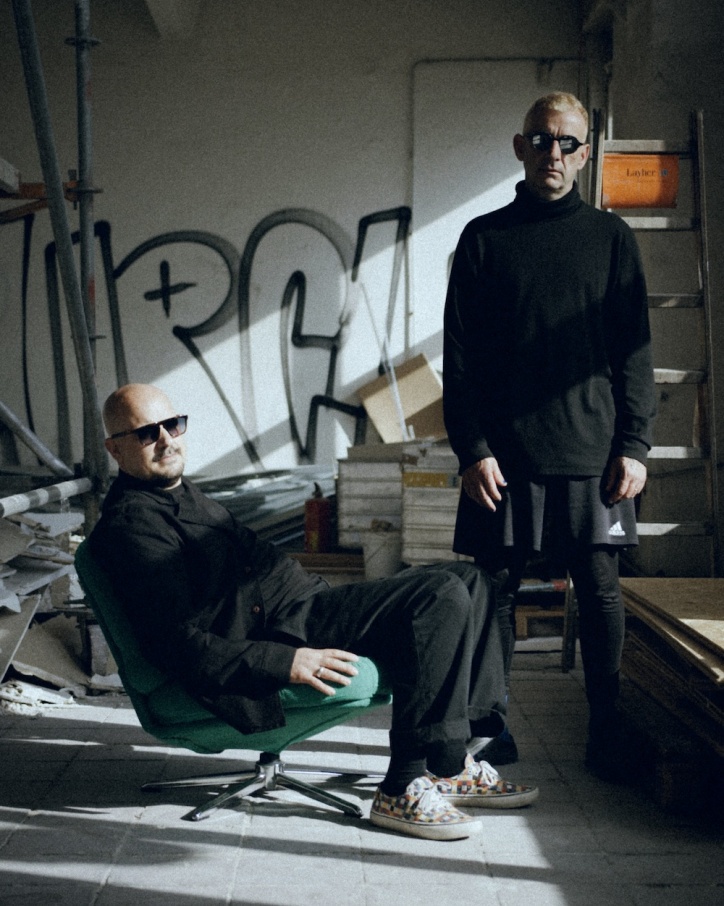
Within the context of Paradise City, Modeselektor’s presence feels less like a booking decision and more like a logical extension of the festival’s underlying philosophy. Paradise City has positioned itself as a space that values diversity within electronic music, prioritising artists who bring distinct perspectives rather than adhering to established formulas. And Modeselektor’s approach aligns closely with this ethos. Their sets are unlikely to follow predictable trajectories; instead, they move through contrasting energies and styles. This unpredictability can create moments of tension, but also moments of release that feel earned rather than pre-programmed. Their ability to balance intensity with playfulness is particularly relevant in a festival setting. Large-scale events often risk becoming homogenised, with artists conforming to perceived expectations. Modeselektor resist this tendency, maintaining a sense of individuality even within broader contexts. Rather than offering a fixed experience, they create conditions for something to happen. This openness resonates with audiences seeking engagement rather than passive consumption.
Continuing Without Resolution
After more than two decades, Modeselektor remain difficult to pin down. Their career does not follow a straightforward narrative of progression from raw beginnings to polished maturity. Instead, it moves in cycles, revisiting earlier ideas while incorporating new ones. This refusal to resolve into a single identity is part of their enduring relevance. In a musical landscape where repetition is often rewarded, they continue to prioritise exploration. Their work reflects a broader shift within electronic music towards hybridity and fluidity, away from rigid genre definitions.
Looking ahead, there is little indication that they will settle into a stable form. If anything, their trajectory suggests a continued willingness to embrace uncertainty. This may limit their accessibility at times, but it also ensures that their work remains dynamic. Modeselektor’s significance lies not in any single innovation, but in their sustained commitment to questioning assumptions about what electronic music can be. They operate within the system while simultaneously pushing against it, maintaining a balance that is as precarious as it is productive. In that sense, their music mirrors the environment from which it emerged: unstable, evolving, and full of possibility.