Richie Hawtin and the Long Arc of Techno
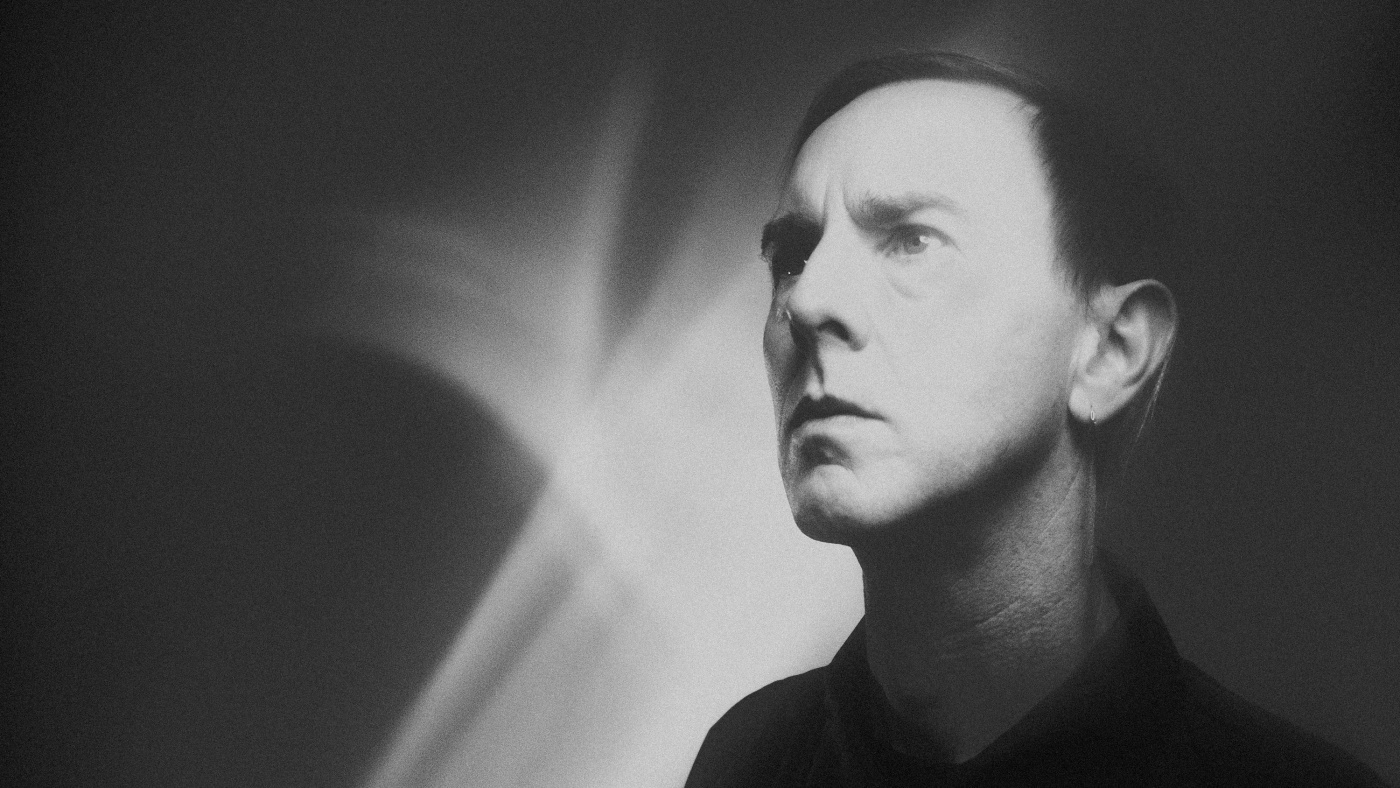
For over three decades, Richie Hawtin has treated techno not as a genre, but as an evolving system of sound, space, and control. Here's what you need to know about him in a nutshell...
Who? What? Richie Hawtin is a British-born, Canadian-raised electronic music producer, DJ, and label founder whose career has continuously reshaped the contours of modern techno. Emerging from the Detroit–Windsor axis in the early 1990s, he became a defining figure in minimal techno through his Plastikman alias, pushing reduction, repetition, and machine precision to stark new limits. Over more than three decades, Hawtin has moved between studio experimentation, boundary-testing DJ sets, label building, and technological innovation without settling into any single role. What links these phases is a consistent way of thinking: techno not as a fixed genre, but as an evolving system in which sound, space, and technology interact in real time. Here's how his story began.
Borderlines: Detroit, Canada, and Early Context
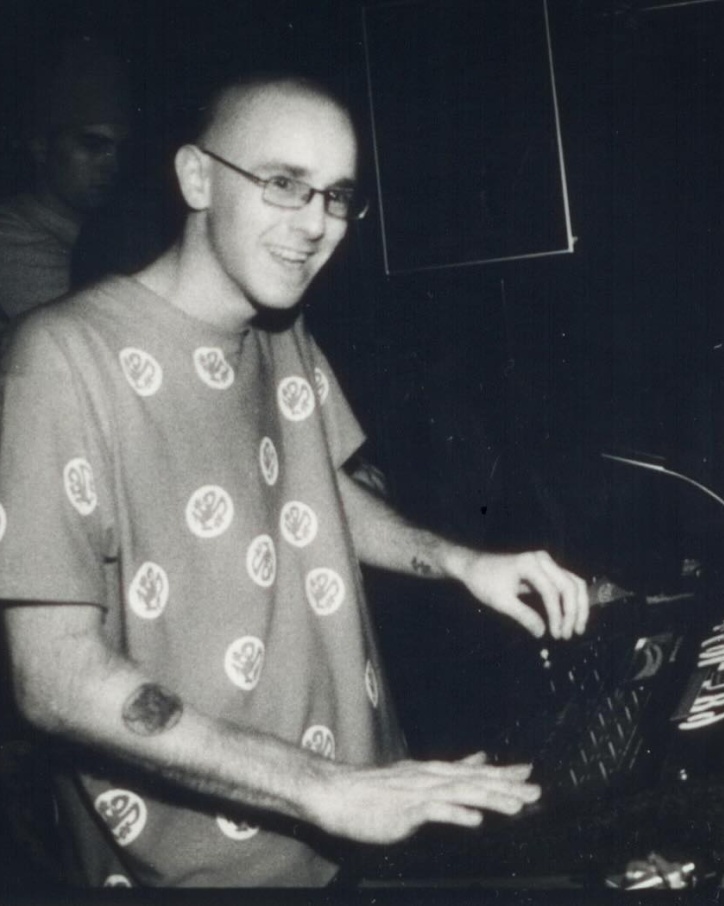
Born in Banbury, England, in 1970 and raised in Windsor, Ontario, Hawtin grew up in a liminal zone. Windsor’s proximity to Detroit (it’s located right across the river, which also doubles as an international border between the US and Canada) placed him within reach of one of electronic music’s most fertile ecosystems, while still remaining culturally adjacent rather than fully embedded. This distance mattered. Hawtin absorbed Detroit techno not as mythology like most of us, but as lived culture: records passed hand to hand, radio broadcasts, and club nights that privileged experimentation over polish. Detroit techno’s foundational figures - Juan Atkins, Derrick May, Kevin Saunderson - were present and active, not just historical references. Yet Hawtin’s Canadian upbringing meant he did not inherit the genre’s social narratives wholesale. This partial distance encouraged a mindset oriented toward analysis rather than reverence. He listened closely, learned quickly, and began producing with a sense that techno was a language to be tested rather than preserved.
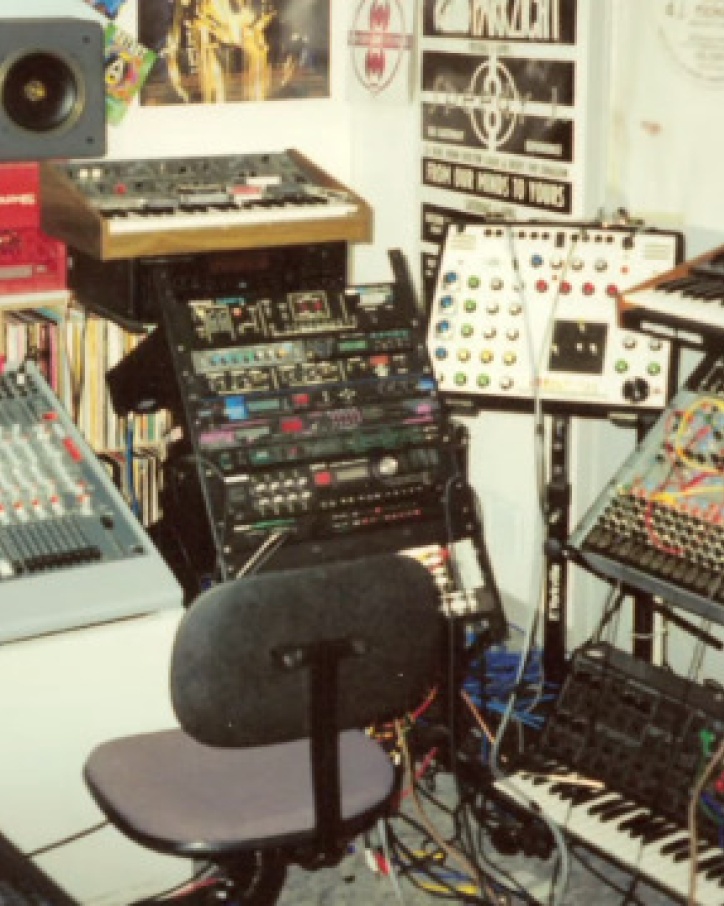
Equally formative was Hawtin’s exposure to technology outside of music. Like many in the area, his father worked as an automation engineer at General Motors, and Hawtin has frequently cited this environment as influential. Machines were not abstract symbols of futurism but practical systems with logic, limitations, and potential for optimisation. “I've always been more of a hardware guy, mostly because that’s all you could be,” referring to the limited options available in that time.
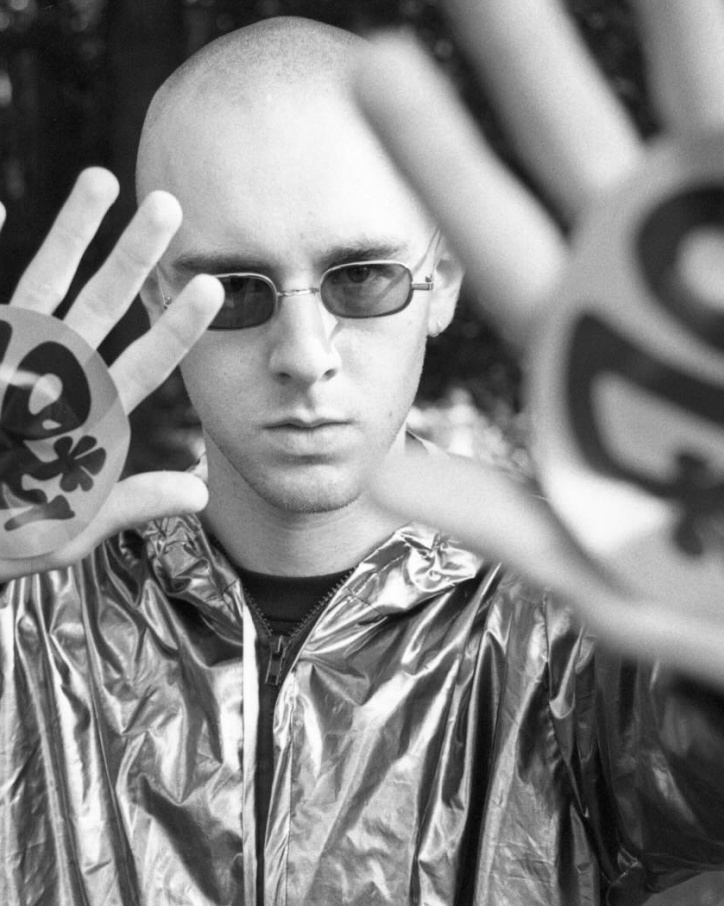
Plastikman and the Discipline of Reduction
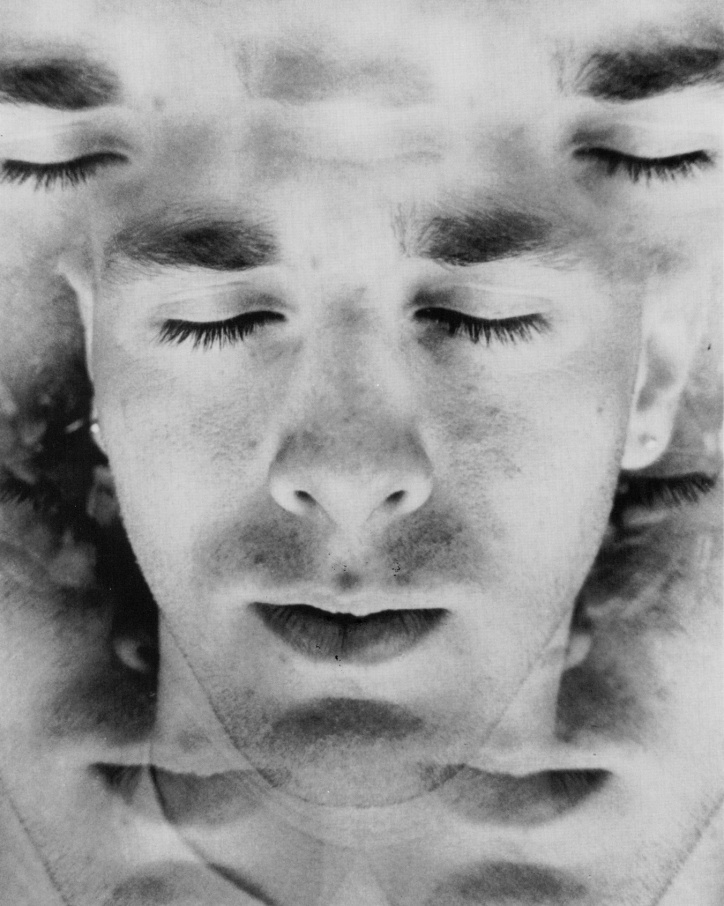
Hawtin’s early recordings under the Plastikman alias marked a decisive break from the increasingly maximalist tendencies of 1990s rave culture. Where others pursued bigger hooks and faster tempos, Plastikman moved inward. Tracks were built from sparse rhythmic elements, acidic pulses, and long stretches of tension with minimal release. Albums like Sheet One and Consumed did not merely sound minimal; they enacted minimalism as a method. This reduction was not an aesthetic pose but a functional strategy. By stripping away excess, Hawtin foregrounded subtle shifts in rhythm, texture, and dynamics. In a club context, these micro-changes took on outsized importance, sharpening listeners’ perception and drawing attention to the physicality of sound itself. "Minimalism is about finding the maximum amount of information within the minimum amount of sounds." Plastikman’s music also challenged expectations around techno’s emotional range. The absence of overt melody did not result in emotional flatness. Instead, it produced an intensity rooted in anticipation, repetition, and bodily immersion. The records demanded patience, rewarding close listening and extended engagement.
Minimalism is about finding the maximum amount of information within the minimum amount of sounds.
DJing as Architecture
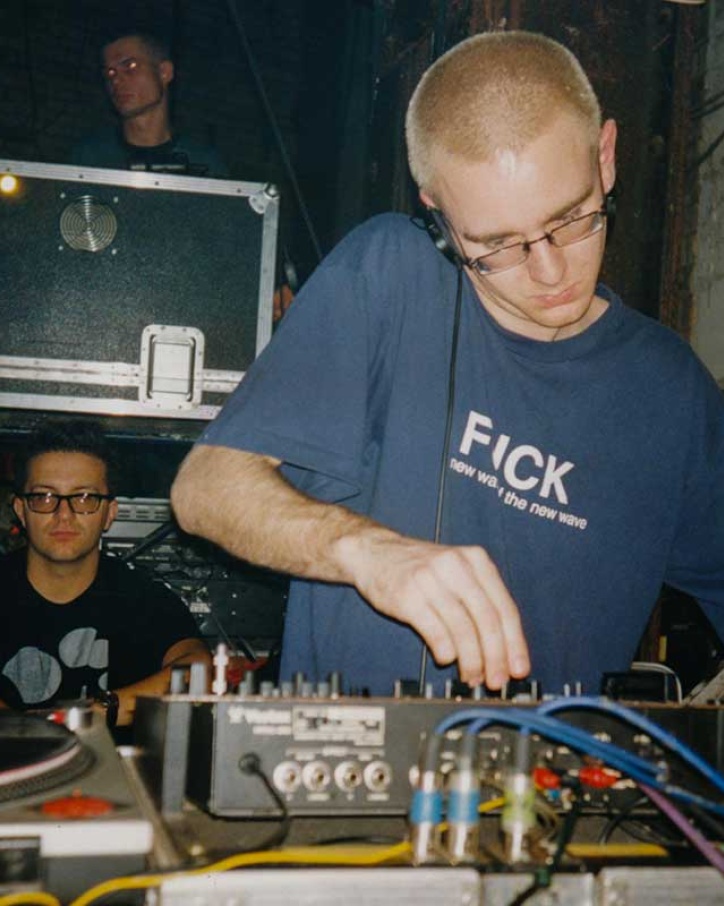
As Hawtin’s reputation grew, his DJ practice evolved alongside his studio work. From early on, he approached DJing less as selection and more as construction. Sets unfolded slowly, often over several hours, prioritising continuity over peak moments. Tracks blended seamlessly, sometimes becoming indistinguishable from one another, forming extended structures rather than discrete songs. This architectural approach aligned with his interest in minimalism. By reducing abrupt transitions and stylistic jumps, Hawtin encouraged listeners to perceive the set as a single evolving form. Time itself became malleable. Dancers were not reacting to drops but inhabiting a sustained state. The late 1990s marked a turning point for Hawtin, as he began integrating digital tools into his DJ setup. Long before laptops became standard, he experimented with early digital audio workstations, effects processors, and custom hardware. For Hawtin, these tools were not replacements for traditional DJing but extensions of it. “Technology is there to extend the power of our mind, creativity and ideas.”
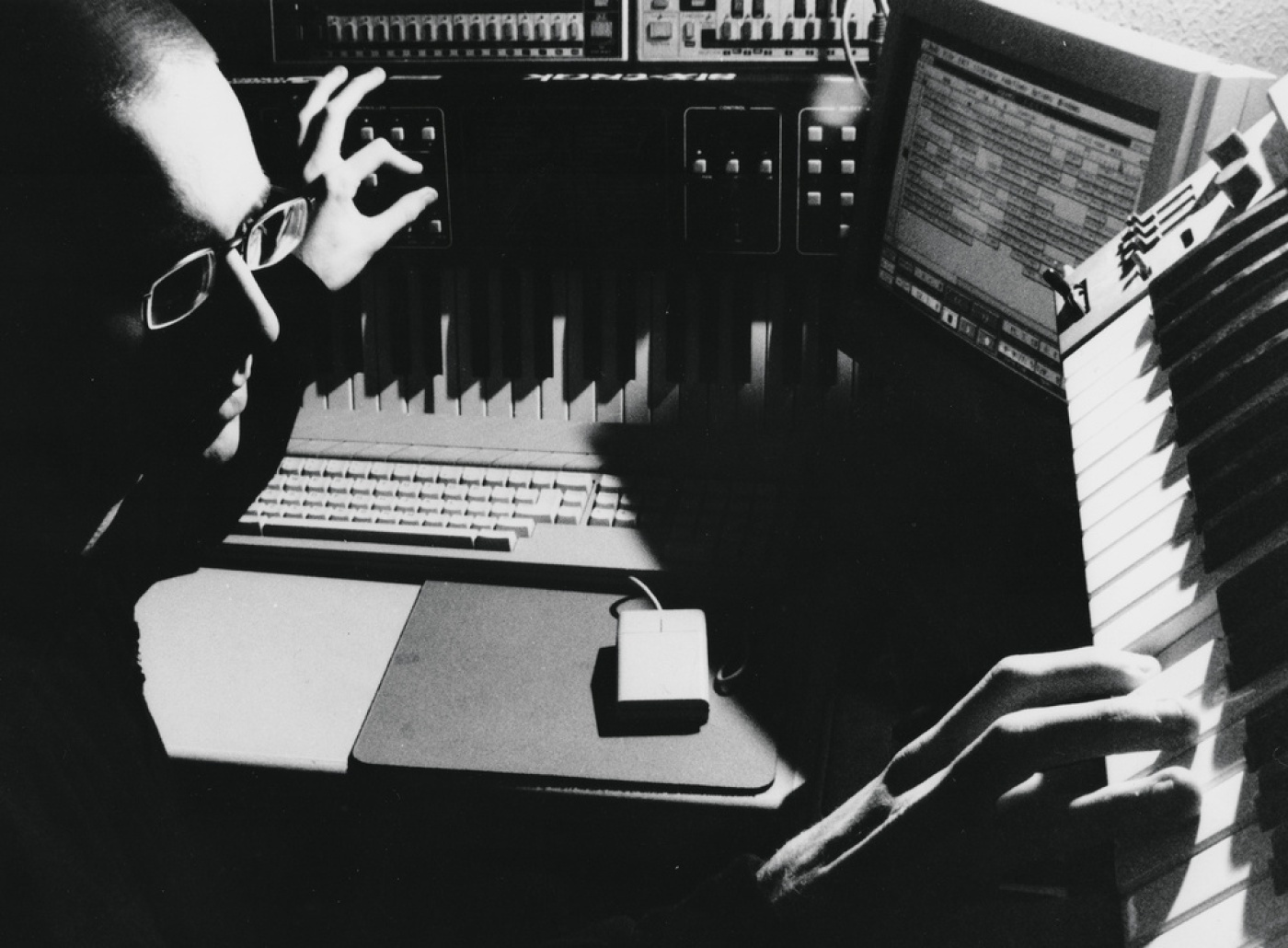
This philosophy reached a critical articulation in the DE9 mix series, particularly Decks, EFX & 909. Rather than presenting DJ mixes as seamless, invisible blends, Hawtin exposed the mechanics of manipulation. Loops were built and dismantled in real time, effects were exaggerated, and transitions became compositional gestures. In doing so, Hawtin blurred the distinction between a DJ set and a live performance. The mix was no longer a document of selection but a record of process. Listeners could hear decisions being made, revised, and abandoned. This transparency challenged conventional ideas of DJ virtuosity, shifting emphasis from encyclopaedic knowledge toward responsiveness and control. The DE9 projects also reflected Hawtin’s growing interest in documentation as an artistic act. By releasing these mixes as albums, he framed DJing as a legitimate site of authorship rather than merely a functional role within club culture.
Minus and the Risks of Codification
Alongside his individual output, Hawtin’s influence expanded significantly through Minus, the label he founded in the late 1990s. Initially conceived as a platform for experimentation, Minus quickly became synonymous with a particular strain of minimal techno that emphasised groove, restraint, and microscopic detail. Artists such as Ricardo Villalobos, Magda, Gaiser, and Troy Pierce helped define this sound, each bringing distinct sensibilities while operating within a shared aesthetic logic. Minus releases often favoured long-form tracks designed for extended mixing, reinforcing Hawtin’s ideas about flow and continuity.
Yet as the label’s influence grew, so did the risk of codification. What began as an open-ended inquiry into reduction and detail gradually hardened into a recognisable style. Hawtin has been openly critical of this shift. "Minimalism for me was always a way of working," he noted, "and then it became a sound. When it became a sound, that's when I started to lose interest." This acknowledgement highlights how easily experimentation can become a formula." In response, rather than doubling down, Hawtin moved outward, expanding the scale and context of his work.
Minimalism for me was always a way of working, and then it became a sound. That's when I started to lose interest.
Tools, not Fetishes
The mid-2000s marked a significant evolution in Hawtin’s practice as he began focusing on large-scale audiovisual performances. Under the Plastikman name, he developed shows that integrated sound, lighting, and visual elements into a single immersive system. These performances were not designed as traditional spectacles but as environments engineered for focus. Venues such as New York’s Guggenheim Museum and major music festivals provided contexts where techno could be experienced outside conventional club settings without sacrificing intensity. Visuals were minimal and tightly synchronised, reinforcing rather than distracting from the music’s structure. Hawtin has consistently emphasised the importance of immersion over display. “I don’t want people watching me,” he said in one interview. “I want them inside the sound.” This ethos informed not only visual design but also decisions around sound system placement, volume, and spatial distribution.
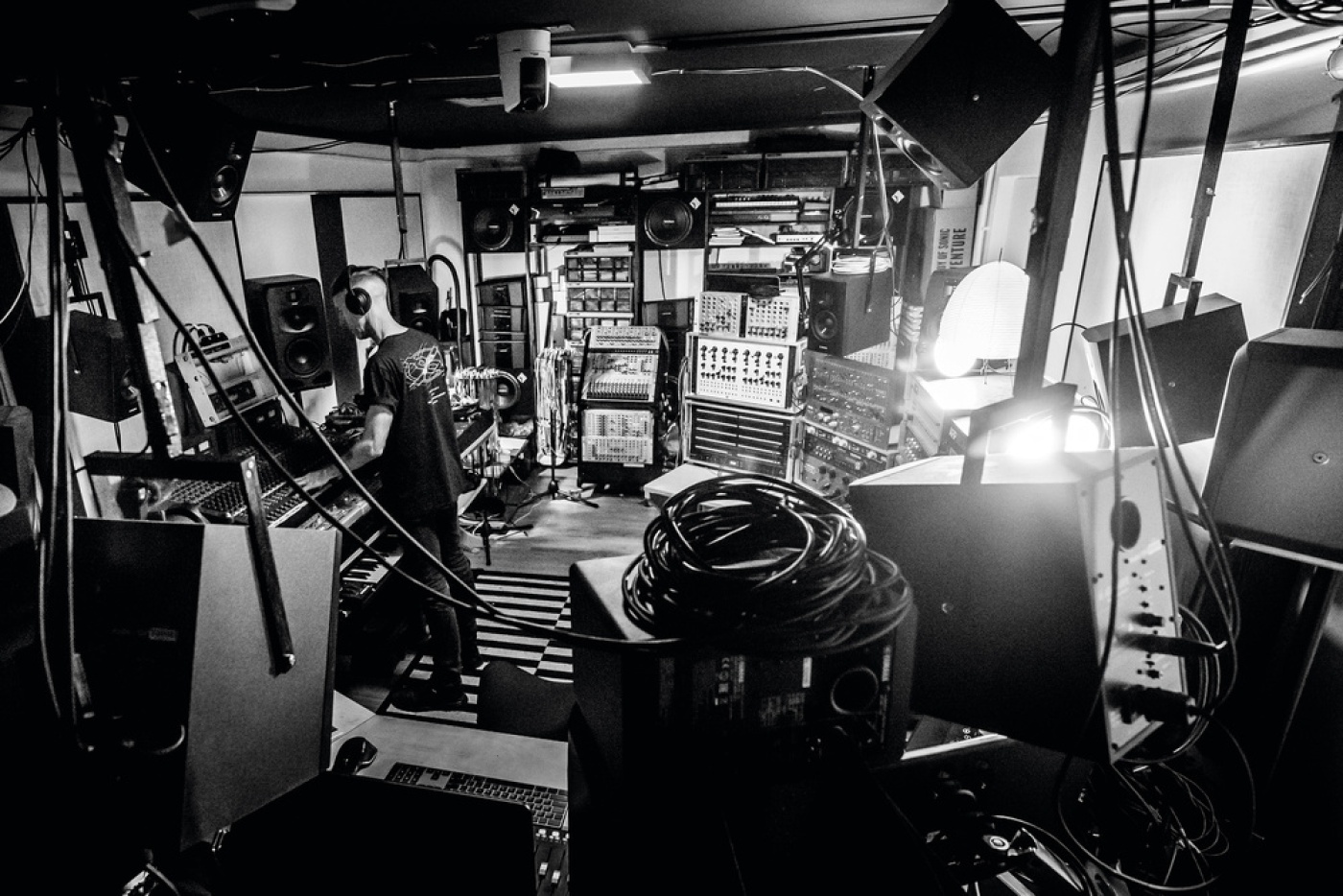
Despite his reputation as a technological innovator, Hawtin has maintained a notably grounded relationship with tools. New software, controllers, and visual systems are evaluated based on functionality rather than novelty. He has repeatedly warned against confusing technological complexity with artistic depth. Albums such as Close reflected this pragmatic stance, exploring digital production without fetishising it. Hawtin’s setups often appear complex from the outside, but their purpose is efficiency and responsiveness, allowing him to shape sound intuitively in real time. Collaboration plays a crucial role here. Hawtin has worked closely with engineers, designers, and fellow artists, acknowledging that contemporary electronic performance is rarely the product of a single individual. Authorship, in his view, is distributed across systems and relationships.

Six essential early Richie Hawtin releases:
- Technarchy – F.U.S.E. (1990). A raw and uncompromising early breakthrough that established the Windsor–Detroit connection and positioned Hawtin as more than just a local rave producer.
- Spastik – Plastikman (1993). An iconic, tightly constructed drum machine study that defined minimalism as a discipline and demonstrated how tension can emerge from pure repetition.
- Plasticine – Plastikman (1993). A hypnotic acid track from Sheet One, where texture replaces hooks and rave energy gives way to introspection.
- Consumed – Plastikman (1998). The title track of Consumed pushes minimal techno toward atmosphere and proves that reduction can carry emotional weight.
- Minus Orange – Richie Hawtin (1998). A more groove-focused production that signalled the shift toward the M_nus aesthetic and helped lay the groundwork for 2000s minimal techno.
- Decks, EFX & 909 – Richie Hawtin (1999). A mix album that treated DJing as composition, deliberately blurring the boundaries between selection, production, and live manipulation.
Curiosity over Nostalgia
As Hawtin entered his fourth decade in music, questions of longevity became unavoidable. Rather than ignoring them, he engaged directly. In recent years, he has spoken openly about the physical and psychological toll of constant touring, as well as the pressures created by perpetual technological escalation. This reflection has led to a more selective approach to performance and production. Fewer shows, longer preparation, and greater attention to context have become priorities. The shift is evident in his recent DJ sets, which favour restraint and pacing over density. The intensity remains, but it unfolds more gradually. Importantly, this is not a retreat from experimentation. Instead, it represents a recalibration of scale and intention. Hawtin continues to test new ideas, but with a clearer sense of limits and sustainability.
It would be easy to frame Richie Hawtin primarily as a legacy figure, someone whose most significant contributions belong to the past. Yet such framing misunderstands his practice. Hawtin has never positioned himself as an authority or gatekeeper. His work resists closure, remaining provisional and responsive. “I think as an artist, you have to be ready to challenge yourself,” Hawtin has said, “and always keep pushing forward.” That ethos continues to guide his decisions, ensuring that his relevance stems not from repetition but from ongoing inquiry.
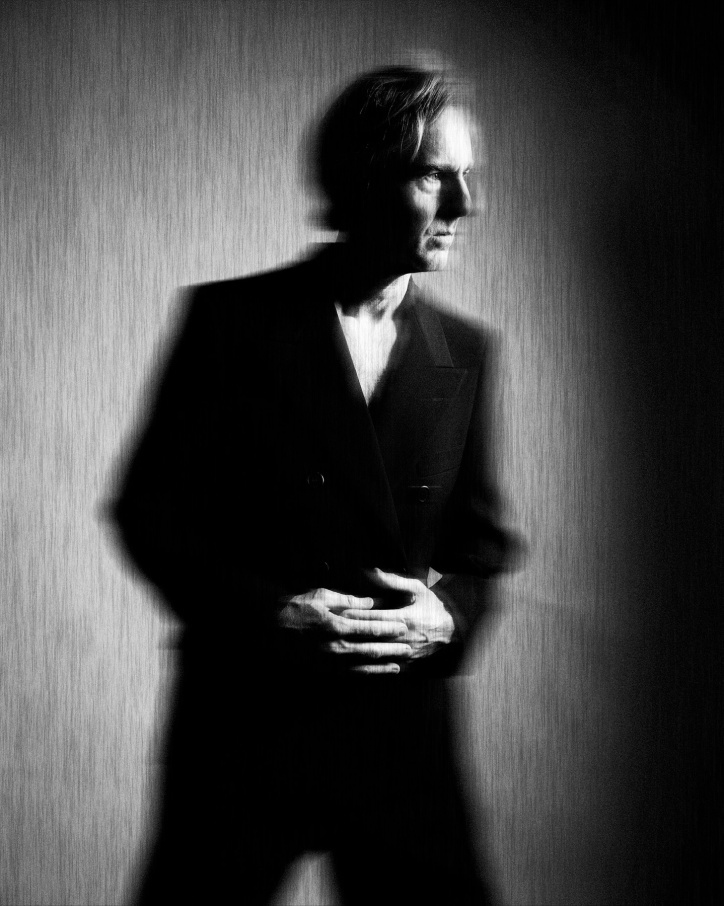
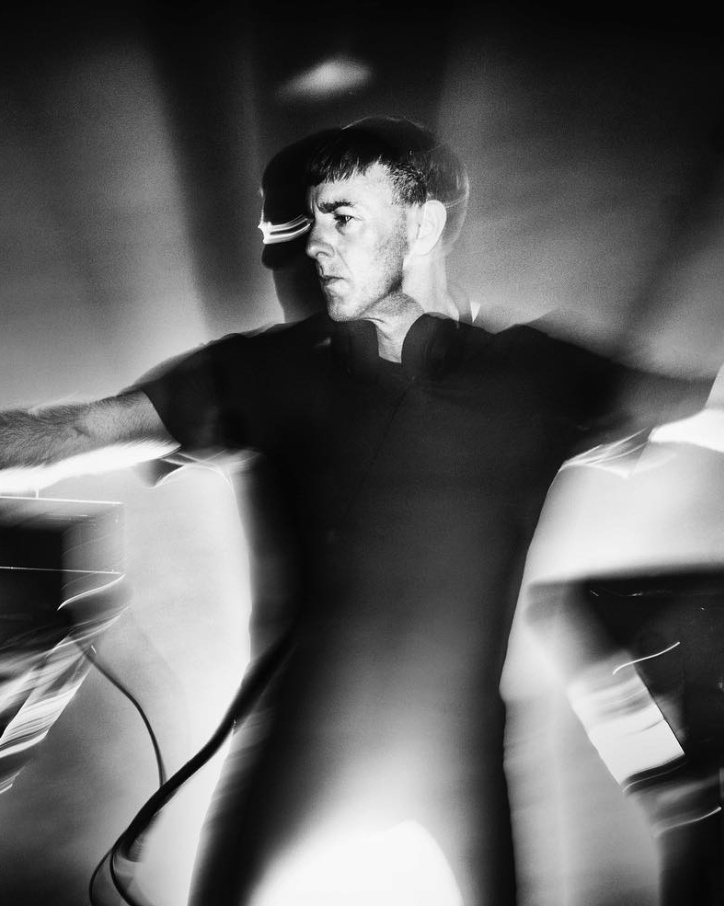
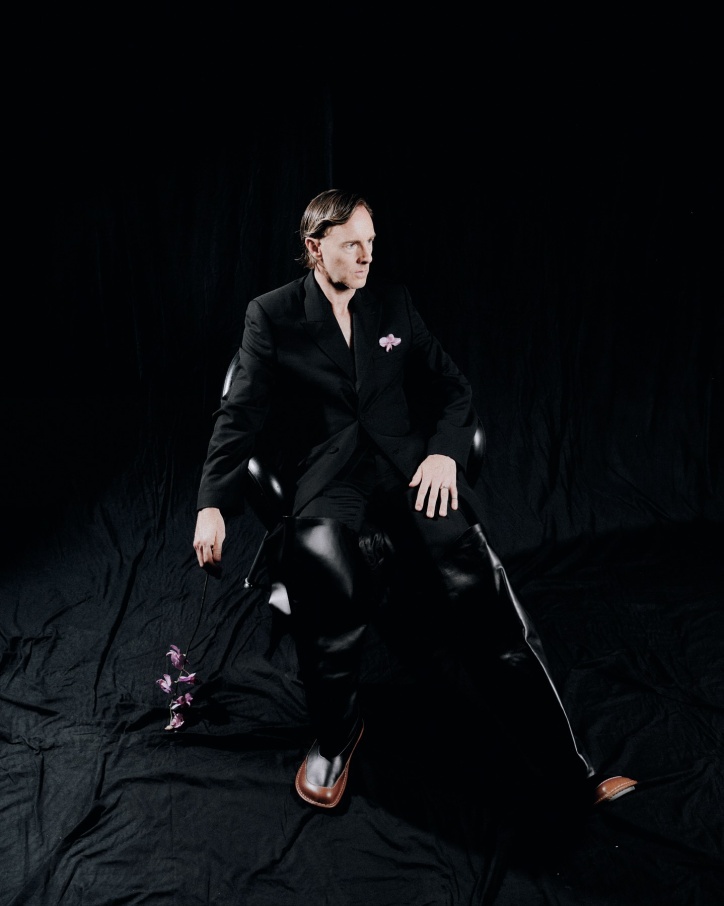
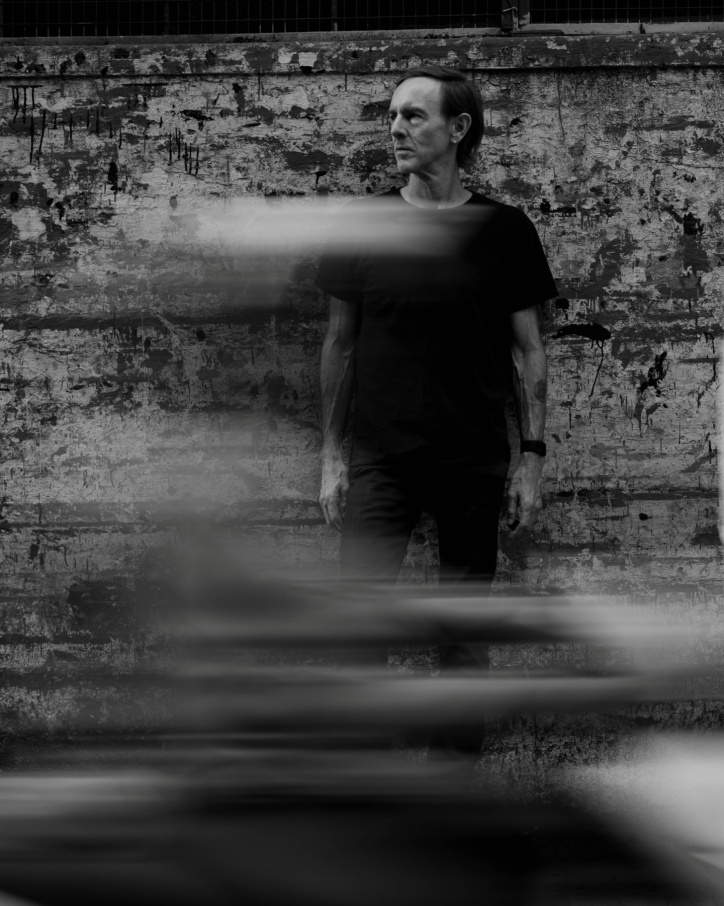
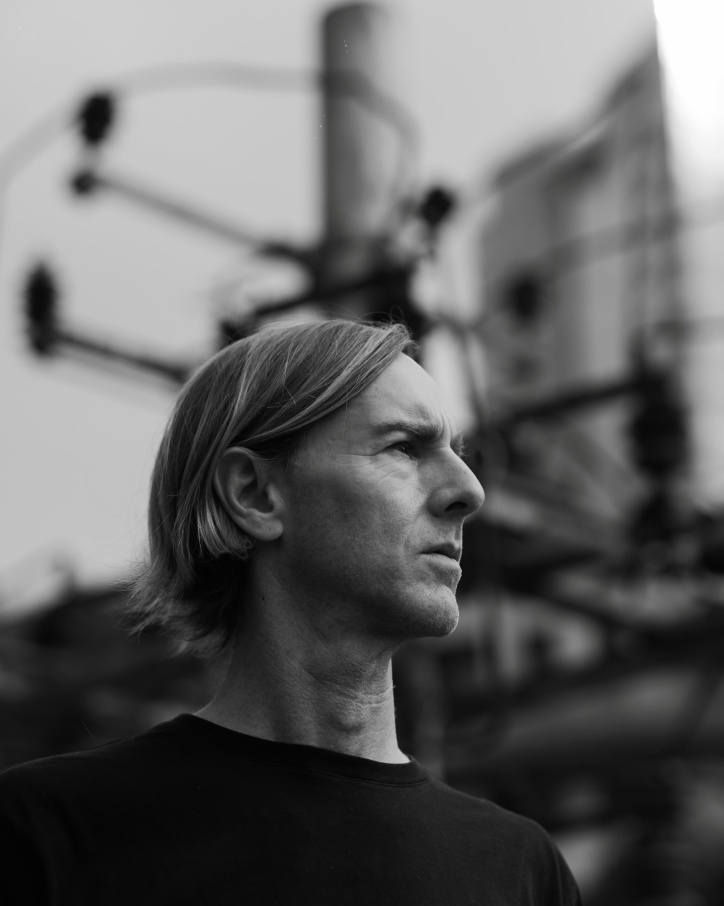
Rather than defining techno, Hawtin has consistently redefined his relationship to it. His career suggests that longevity in electronic music is not achieved through dominance or nostalgia, but through sustained curiosity and willingness to adapt. In that sense, Richie Hawtin’s most enduring contribution may not be a specific sound or tool, but a way of thinking: techno as an evolving system shaped by attention, intention, and care.
On Friday June 26, Richie Hawtin will close down the Contrast Stage at Paradise City Festival 2026, right after Eris Drew & Helena Hauff. Expect a DJ set shaped by decades of refinement: precise, patient, and built on tension rather than spectacle. For longtime followers and newer listeners alike, it’s a chance to experience techno treated not as formula, but as a living system unfolding in real time.
This article was written with the input and quotes of dozens of other previous publications and interviews, including his Red Bull Music Academy Lecture, his RA Exchange podcast and Resident Advisor interview, this Mixmag publication, and this conversation with The Arts Desk. We highly recommend these publications for anyone who wants to dive deeper into the life and work of Richie Hawtin.